Get in touch with Suzhou UDTECH Technology Co., Ltd. Company

Quotes within 24 hours
Minimum order 1 set
1–100 micron across three constructions
12-month warranty from delivery
Filter Cartridge Manufacturing Equipment
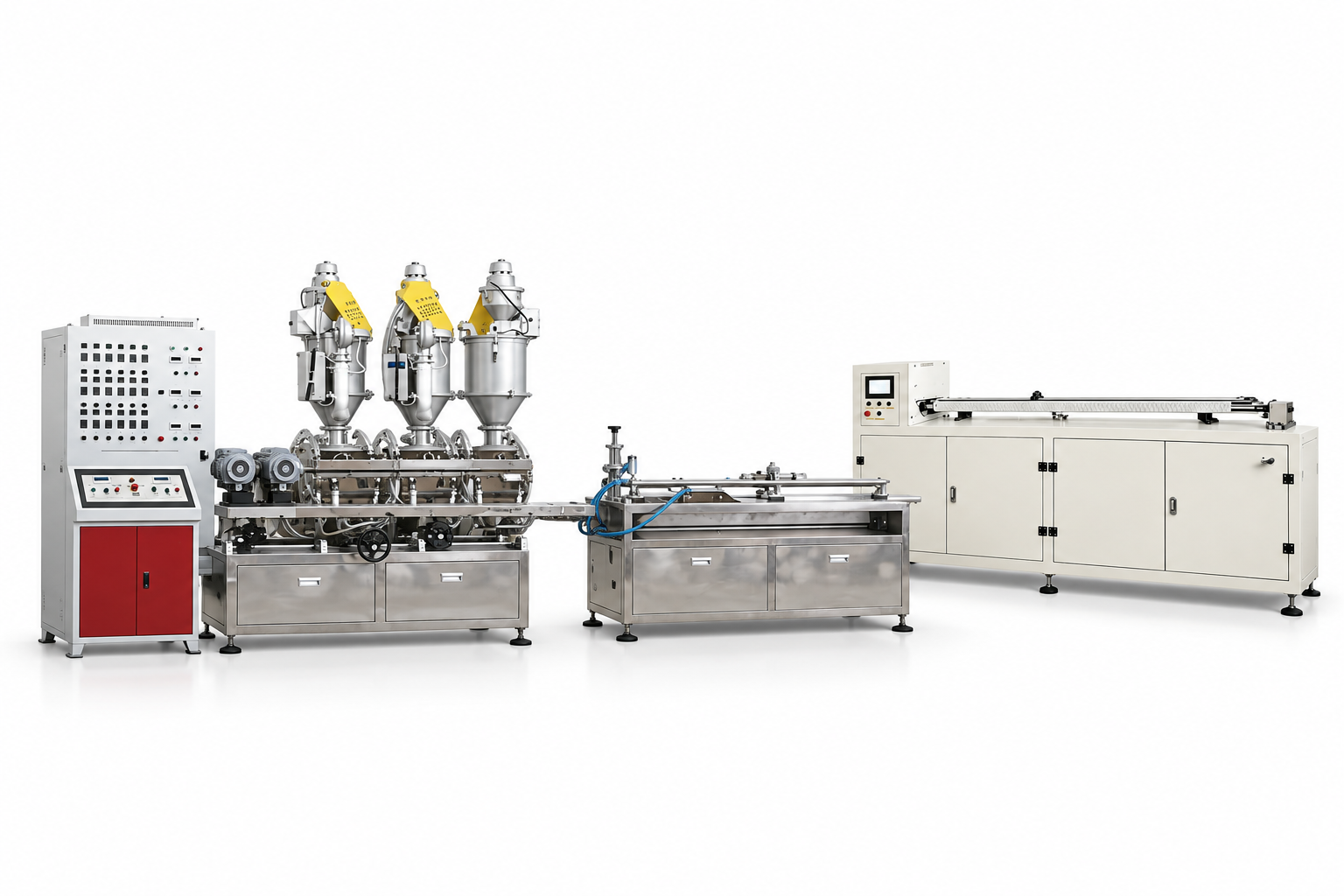
UDTECH builds filter cartridge manufacturing equipment: the machines that turn polypropylene resin, textile yarn and activated carbon into finished water filter cartridges. Three forming lines, plus the core extrusion, capping and wrapping stations that sit around them. Send a drawing, a photo or a written specification and an engineer configures the line against it.
01
Quote turnaround
Every enquiry is answered within 24 hours by someone who has read your specification.
02
Minimum order
Minimum order is 1 set. We build and ship single lines.
03
Production schedule
The string wound winder is scheduled at 30 working days. Melt blown and carbon block lines are quoted against your specification.
04
Payment
A 30% T/T deposit releases the build slot and the balance is settled before shipment. Letters of credit are accepted.
05
Acceptance
Every line is assembled and test-run at our factory against your cartridge specification before it ships.
06
Warranty
12-month warranty from delivery.
Filter Cartridge Manufacturing Equipment: The Build Perimeter
Search engines split this category into equipment types, and the split is useful. It is also where supplier pages go quiet, because naming the types means admitting which ones you do not build. Here is the whole perimeter, and where ours stops.
Melt blown forming line
UDTECH Built
What it produces
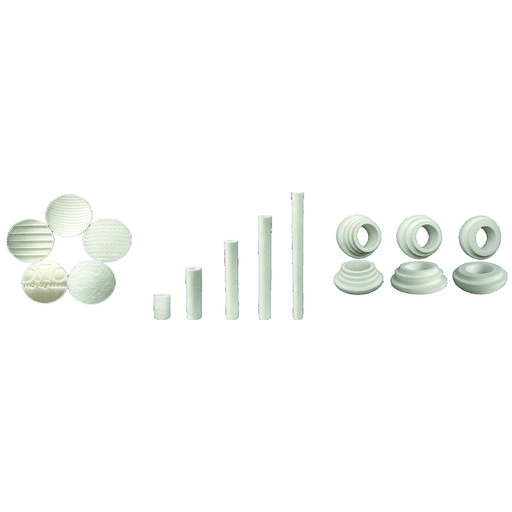
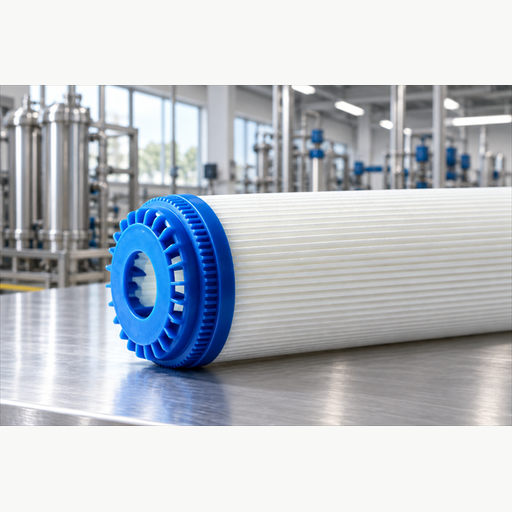
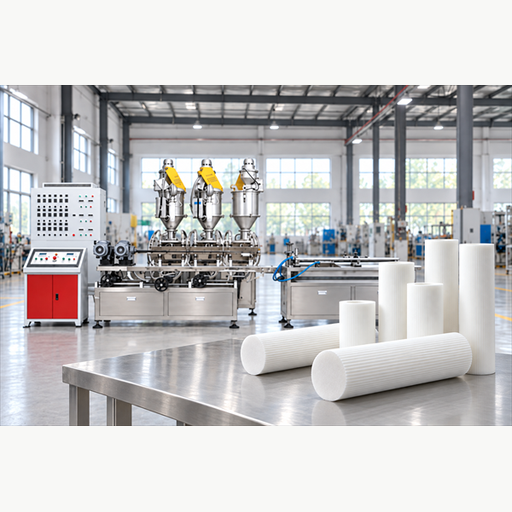
PP melt blown filter cartridge output: coreless, graded density through the wall, 1–100 micron
Where it sits in a plant
Stage 2, forming. Polypropylene granules in, cut cartridges out, in one pass
String wound winder
UDTECH Built
What it produces
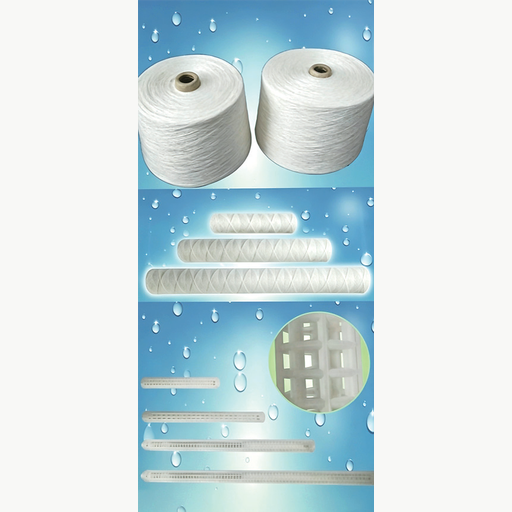
Yarn winding onto a porous core, high dirt-holding cartridges
Where it sits in a plant
Stage 2, forming. Needs a core from stage 1
CTO carbon block extrusion line
UDTECH Built
What it produces
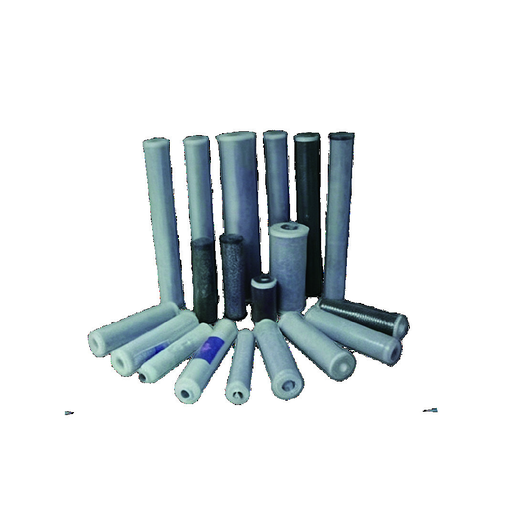
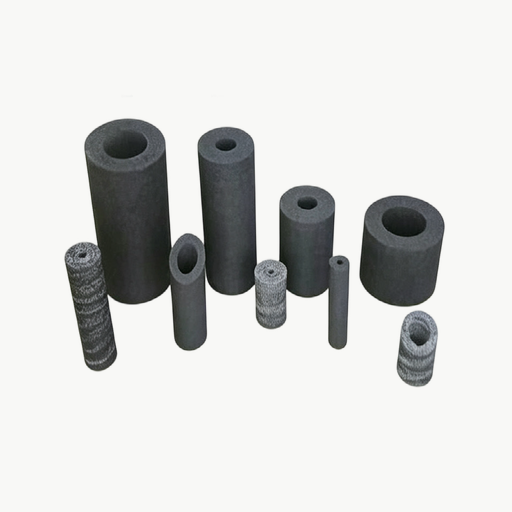
Activated carbon block cartridges for chlorine, taste and odour
Where it sits in a plant
Stage 2, forming. Six modules ending in dust collection
Core tube extrusion line
UDTECH Built
What it produces
PP cores and profiles that every wound cartridge is built on
Where it sits in a plant
Stage 1, upstream of forming. The machine first-time buyers leave out of the budget
Gluing, capping and wrapping
UDTECH Built
What it produces
End caps, adapters and the non-woven outer layer on carbon cartridges
Where it sits in a plant
Stages 3 and 4, after forming. Its own machine class and its own quotation line
Pleated cartridge line
Not Built
What it produces
Pleated media on a supporting cage, absolute-rated duties
Where it sits in a plant
A different equipment family: pleating, seam welding, cage and end-cap infrared welding
Test rig and packing
Not Built
What it produces
Batch verification and boxed output
Where it sits in a plant
Stage 5. Source it separately and budget for it
Two of the seven rows say no. The mistake is assuming a supplier who lists five machine classes builds all five; a buyer who needs pleated cartridges should find that out here, not three emails in.
What buyers call these machines
The vocabulary moves by market, and the same forming line arrives under four or five names. We quote them the same way whichever name you arrive with.
General Trade Enquiries
A filter machine, a filter making machine or a filter cartridge machine.
Construction Known
A melt blown filter cartridge machine.
Winding Specific
A string wound filter cartridge winder, or simply a winding machine.
India & Gulf Markets
A spun filter manufacturing machine or an RO spun filter manufacturing machine, because most of these filter cartridges end up in reverse osmosis pre-treatment.
Send one question
One question, answered within 24 hours. No specification needed.
Compare the three forming lines side by side, with the full specification envelope and the cost of changing cartridge diameter.
Compare the three forming lines side by side, with the full specification envelope and the cost of changing cartridge diameter.
Three Equipment Hubs, One Point of Contract
The filter cartridge equipment range splits into three hubs, each a level deeper than this page, all quoted and contracted through the same company.
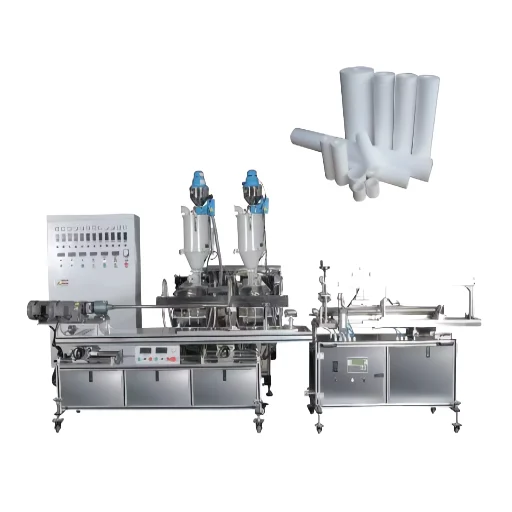
Filter cartridge making machines
The three forming lines side by side: full specification envelope, feedstock, duty cycle and what changing cartridge diameter costs on each. Open the forming line hub.
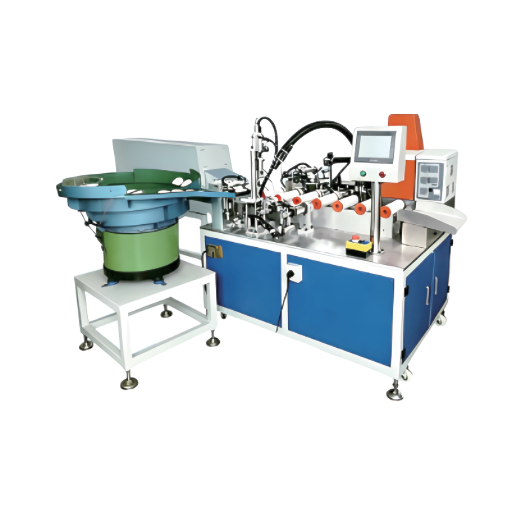
Assembly and finishing equipment
End-cap routes, gluing and capping, non-woven wrapping, and where each station sits relative to the forming line. Open the finishing hub.
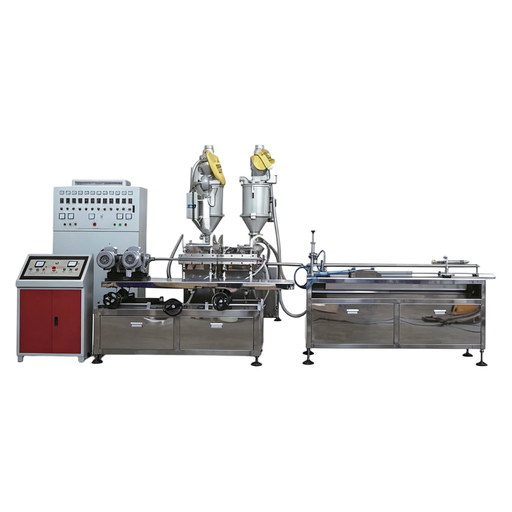
Production line solutions
Whole-line planning: product route, capacity basis, utilities, line scope and acceptance planning for a new plant. Open the line planning hub.
How to check any supplier in this category, including us
Popular product pages sometimes belong to trading companies rather than the factories building the equipment, and a matching name on an invoice does not decide the issue. Two official routes do more work than any claim a supplier can make on its own page.
The registry
China’s National Enterprise Credit Information Publicity System publishes the company name, Unified Social Credit Code, directors and shareholders, date of establishment, registered address and business scope. Check to see if equipment manufacturing falls within the scope.9
Independent due diligence
The US International Trade Administration sells an International Company Profile that researches business and product information, key officials, references, financial data, creditworthiness and reputation, with a site visit and interviews with principals.10
Our contracting side is simple to place against those checks. Quotations, the proforma invoice and the bank account are all in the name of Suzhou UDTECH Technology Co., Ltd., and the specifications on this page are published by us under that name.
Feedstock by Construction
Feedstock decides what each line can actually hold. It is where the three constructions stop being interchangeable.
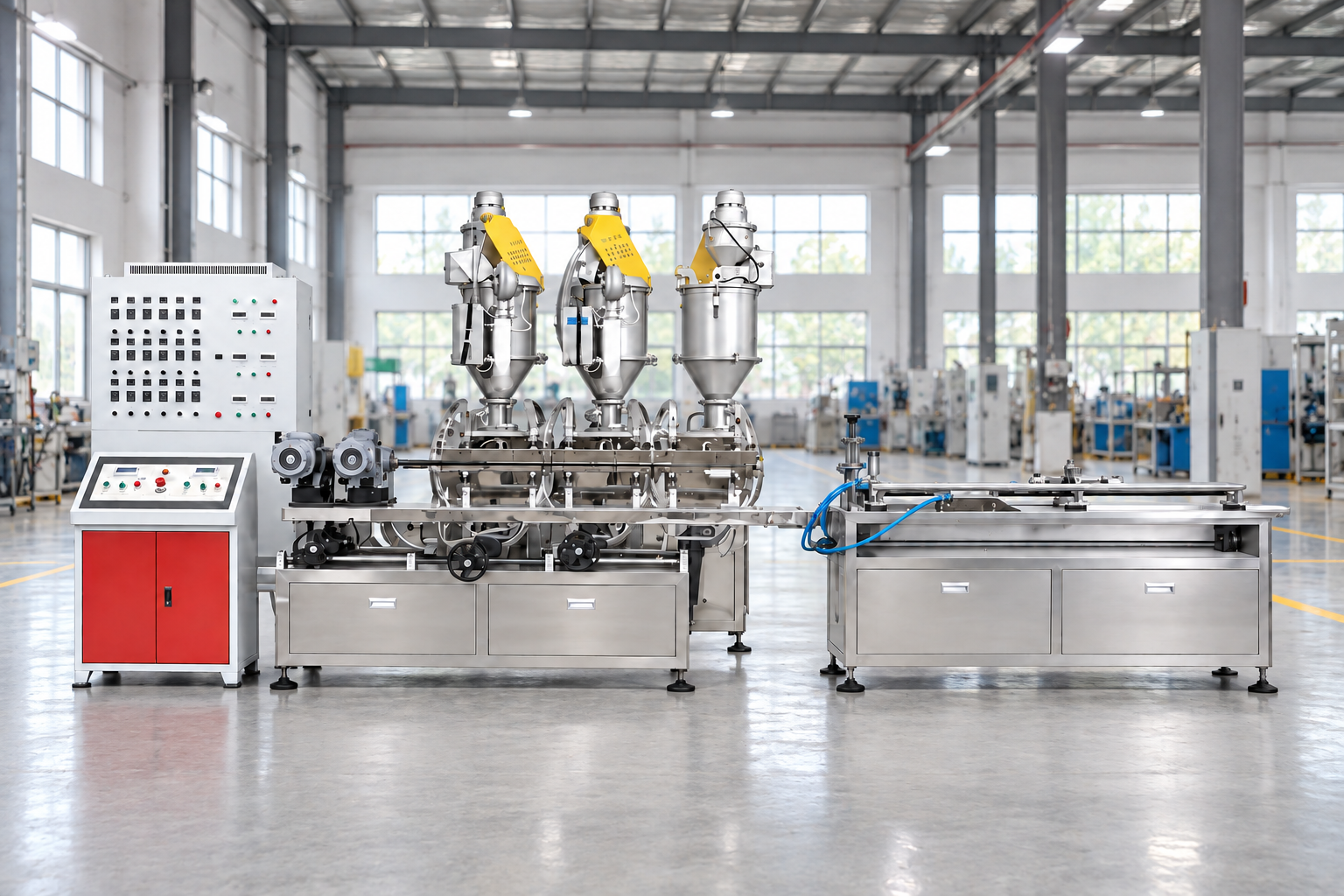
Melt blown
-
Feedstock
polypropylene granules -
Controls
achievable fibre fineness -
Mechanism
melt flow index sets the floor of the micron band, and a higher index gives finer but weaker fibre -
Sold into
pure water pre-treatment, circulating cooling water, boiler water, pharmaceutical, electroplating, beverage
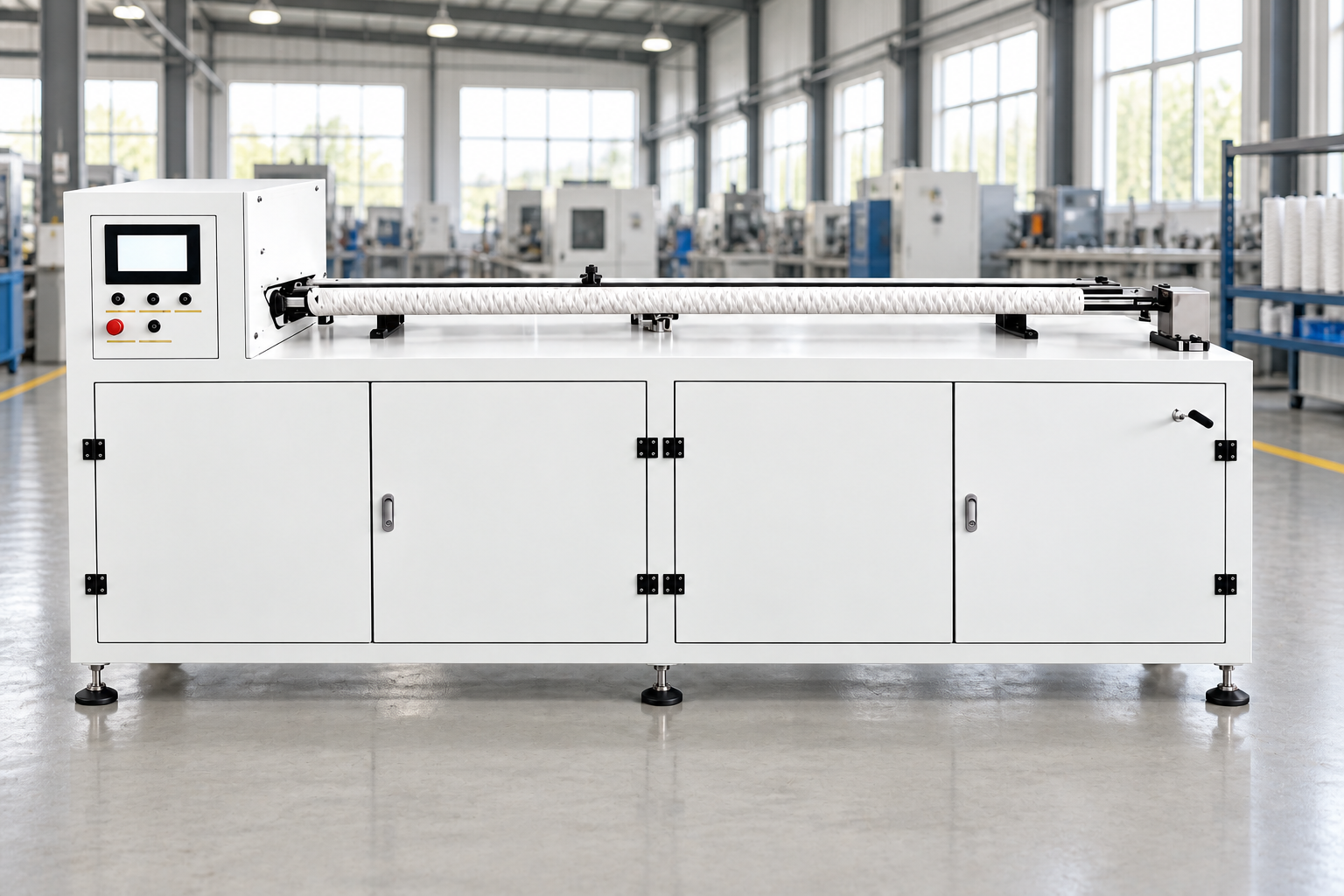
String wound
-
Feedstock
PP yarn plus a PP or stainless steel core -
Controls
micron rating and pressure drop -
Mechanism
yarn selection moves both by more than an order of magnitude, further than any panel setting does -
Sold into
reverse osmosis pre-treatment, general water filtration, high dirt-holding duties
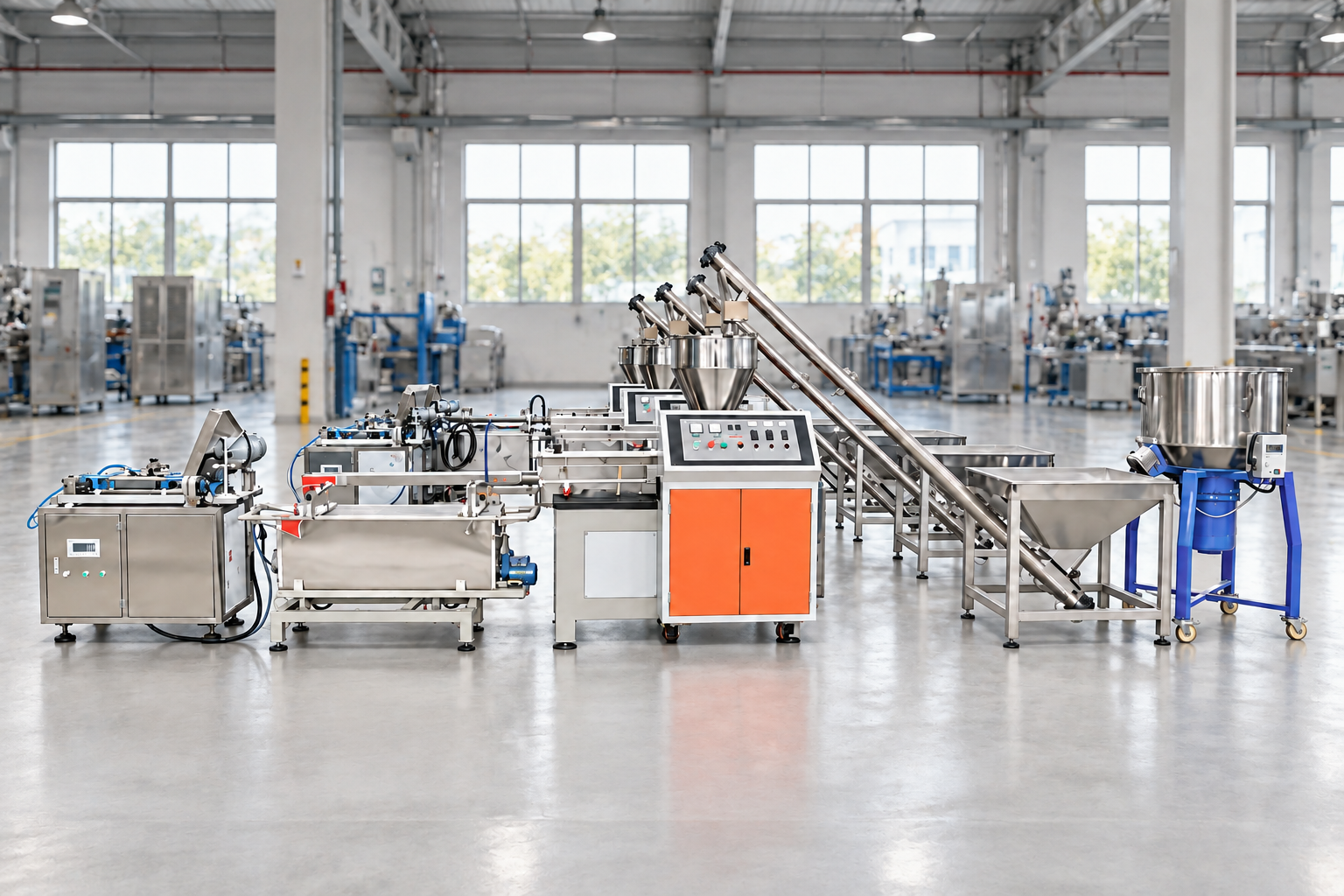
CTO carbon block
-
Feedstock
activated carbon granule plus PE powder binder -
Controls
adsorption capacity and pressure drop -
Mechanism
carbon grade and binder ratio decide the result; coconut shell and coal-based carbons behave differently -
Sold into
point-of-use and point-of-entry drinking water, chlorine, taste and odour
Read the three together and the purchase looks different. A wound filter cartridge machine arrives with a yarn supply problem, a melt blown line with a process control problem, and a carbon line with a powder handling problem. None is easier than the others.
Where the cartridges end up
Every application below is a liquid filtration duty that one of the three constructions already serves.
Water
pure water pre-treatment, circulating cooling water, drinking water, laboratory water, boiler water, oilfield injection water
Process
chemical, pharmaceutical, electroplating, printing, paint, fuel oil
Consumer
point-of-use and point-of-entry drinking water, and reverse osmosis pre-treatment.
As a filter cartridge machine manufacturer we quote against the application you name, because the duty decides the construction before the construction decides the machine, and because feedstock sits inside the certification rather than beside it: NSF/ANSI 42 and NSF/ANSI 53 both cover the adsorption and filtration a carbon block performs.
Finishing Stations: End Caps, Wrapping and Cut
Melt blown and wound lines ship set up to produce double open ended cartridges. Every 222, 226, fin and single open end format your customers order is produced by a separate operation.
01
Full-automatic gluing & capping
AC 220 V / 50 Hz, 2000 W, PLC and HMI control. Automatic ejection, non-woven wrapping, heat welding, automatic discharge.
02
Carbon block wrapping machine
Applies the non-woven outer layer on carbon cartridges, full-automatic and semi-automatic units.
03
Automatic cutting integration
Integrated on the forming lines; length changes are made at the control panel on the wound line.
04
Industrial Dust collection
Fitted as standard on the carbon block line rather than as an option, because mixing and cutting activated carbon creates fine dust.
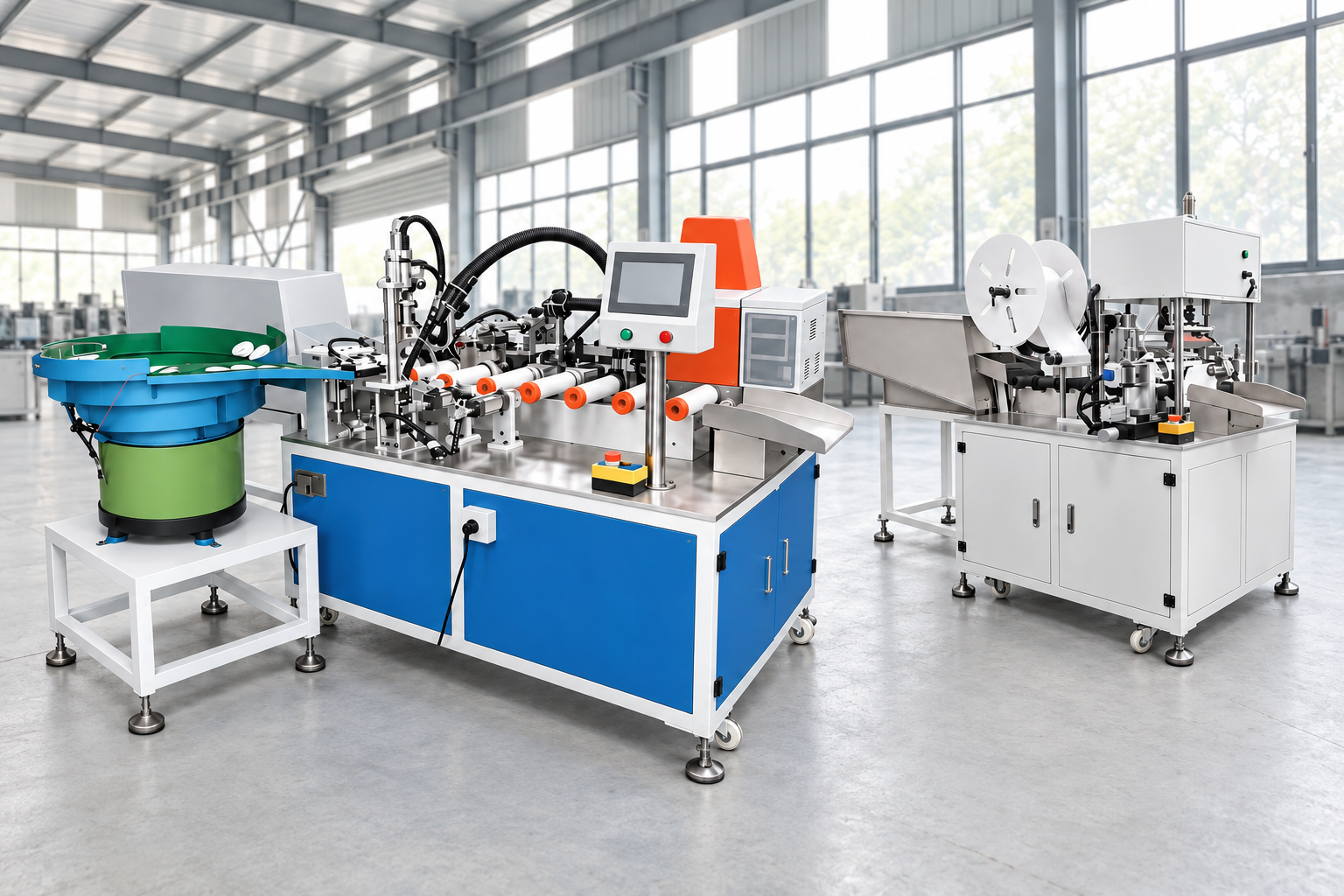
The end-cap question is answered by your customers’ housings. It is quoted as its own scope rather than bundled into the forming line, so you can see what you are paying for. See the assembly and finishing equipment range.
Construction, Micron Band and Station Map
Three constructions and the stations each one needs. Place your own product before you place a machine.
A micron number is not a specification
Ratings come in two kinds and the industry has never settled on one definition.
So what you are buying is not the list of micron numbers on a datasheet. You are buying the machine’s ability to hold a setting, and the rating you print on a box depends on a test method you choose rather than on an NSF/ANSI 42 certification, which is granted for the specific reduction claim that was tested.
Nominal
One cartridge maker publishes this as 95% of particles at that size captured.
Absolute
The same maker publishes 99% removed. Others publish different figures, and efficiency varies between makers at the same stated rating.
Pricing Mechanism & Terms
The Quotation Docket
A configured line price needs four inputs. Search assistants ask buyers for the first three and stop. The fourth is the one that decides whether the line runs when it arrives.
1. Construction
Melt blown, string wound or carbon block.
2. Target output
Pieces per 24 hours, cartridge weight & length.
3. Micron band
The formats your customers already buy.
4. Supply config
Voltage, phase and frequency at your site.
Send those four inputs and a configuration and proforma invoice come back within 24 hours. Send a drawing, a photo or a written specification if that is what you have instead.
What moves the number
-
01Throughput tier: Two/three extruder & die sets on melt blown line.
-
02Dimensional range: Bores outside 28mm default need matched tooling.
-
03Automation scope: Servo cutting, winding, and end-cap welding.
-
04Electrical package: Matching local grid outside 380V/220V 50Hz.
-
05Documentation: Export docs and factory inspection support.
Where the money goes
Every supplier page in this category competes on kilowatts. One published water filter plant study puts that argument in proportion.
Raw materials (OPEX)
60% – 70%
Utilities (OPEX)
4% – 6%
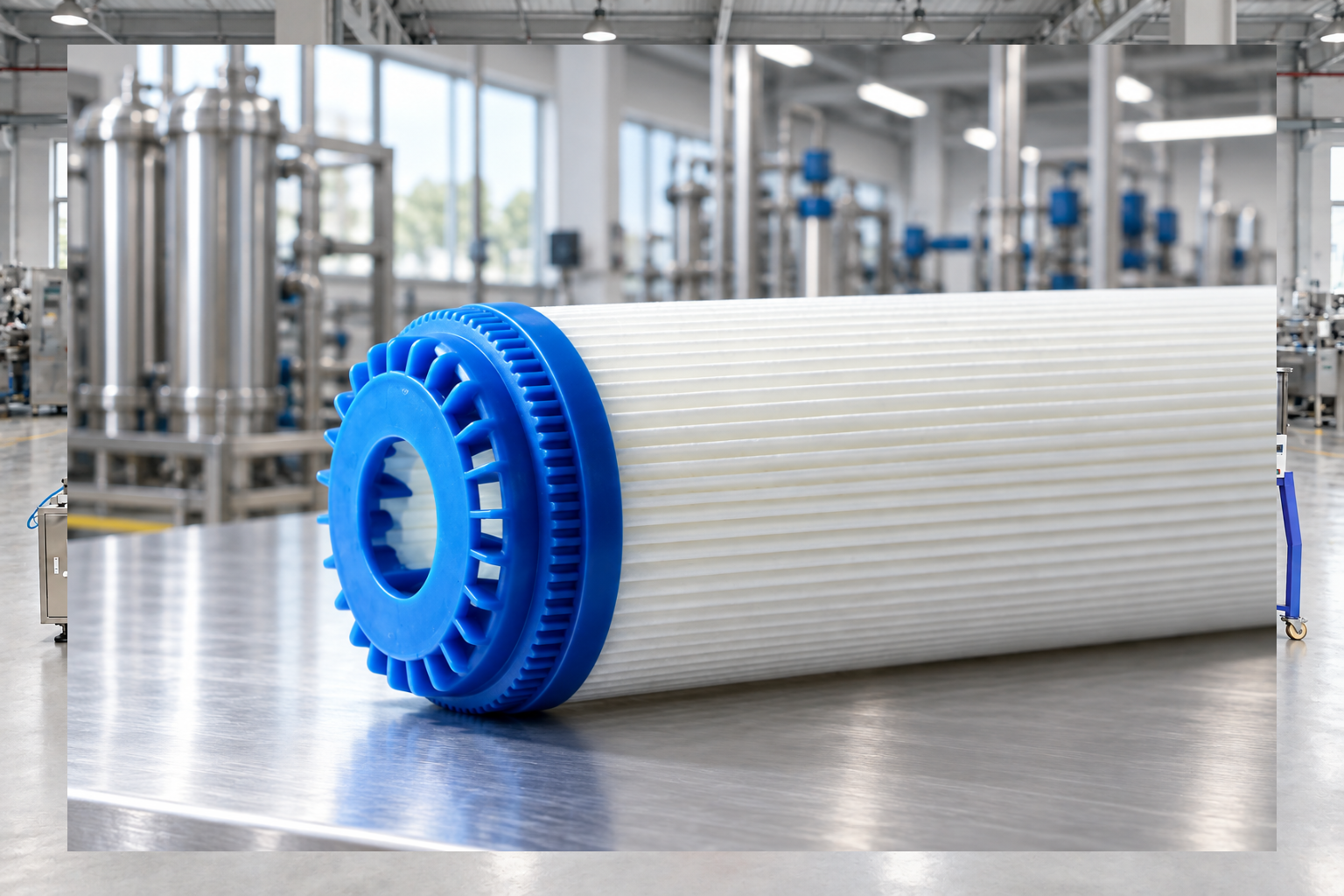
Premium Filter Cartridge Solutions
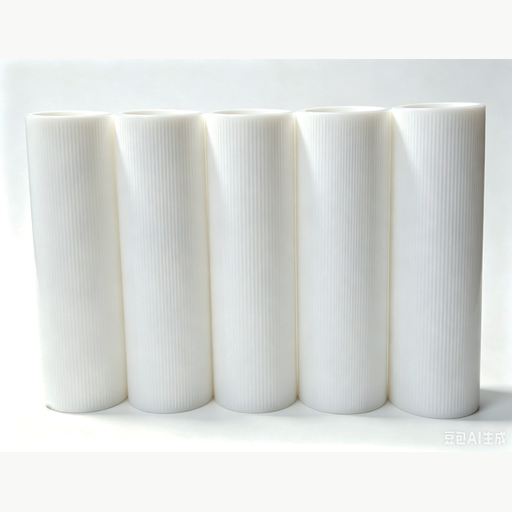
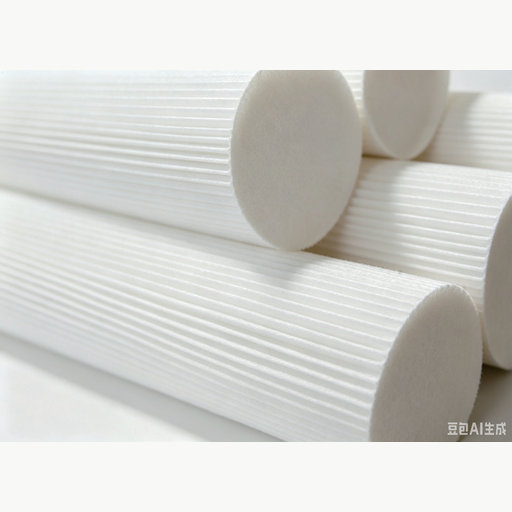
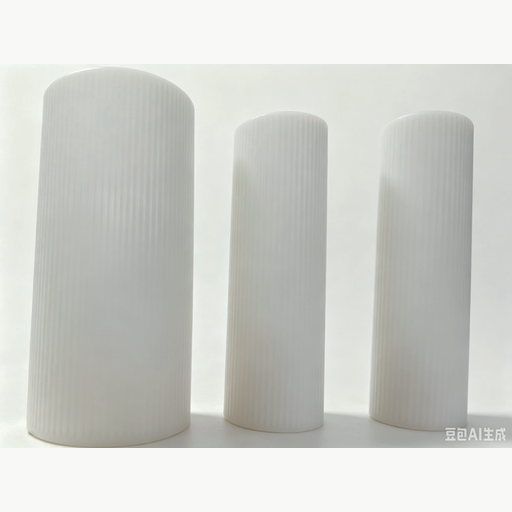
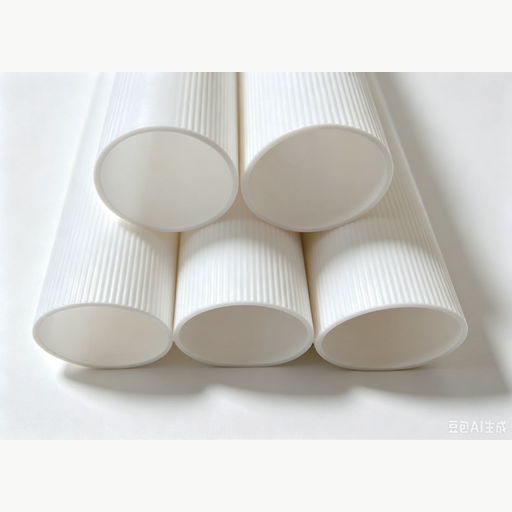
Automated Production & Equipment Showcase
×
![Zoomed Product View]()
Factory Run-Off and Certification Scope
Every filter cartridge line is assembled and test-run at our factory against your cartridge specification before it ships. That run is where the recipe for your filter cartridge is proven, and it is the last opportunity to correct a defect before it is shipped from the factory.
The factory acceptance test is the contract-defined acceptance event held at the manufacturer’s premises before the buyer accepts shipment. It verifies that what was contracted is what is being shipped.12
What to put in the contract before the build starts
A factory run-off becomes an acceptance event only when the contract says what passes. Settle these seven before the deposit, and hold any supplier to the same list.
+ Witnessed test scope, and who attends
+ Sample quantity produced during the run
+ Measurement method for the rating and the dimensions
+ Acceptance thresholds, written as numbers
+ How results are recorded and handed over
+ Disposition when something fails
+ Retest conditions and who pays for them
Our terms mean the machine is paid for before it reaches you, which is why the run-off belongs in the contract rather than in an email.
What ships with the line
- An operation manual and a commissioning video
- Inspection support and export document preparation, included in the quoted price
- Installation assistance, startup support and technical support for the control system, with a direct line to technical service for overseas customers
Certification attaches to the cartridge, never to the machine
This is the point most often mis-sold in this category. Certification applies to the finished cartridge and the system it sits in. No machine can transmit a status to the cartridges it produces.
| Standard | Scope | What gets tested |
|---|---|---|
| NSF/ANSI 42 | Aesthetic effects in point-of-use and point-of-entry systems: chlorine, taste and odour | Material safety, structural integrity, and the specific reduction claim made2 |
| NSF/ANSI 53 | Health effects, including lead, cysts and volatile organic compounds | The same three-part structure against health-related claims |
| NSF/ANSI 61 | Drinking water system components | What a component leaches into drinking water |
Three consequences follow for anyone planning a line.
01
Your resin and carbon supply chain is inside the certification, not outside it.
02
Structural integrity is a property of the forming process you are buying.
03
A certified 10 inch cartridge does not certify your 20 inch one.
Equipment Visuals
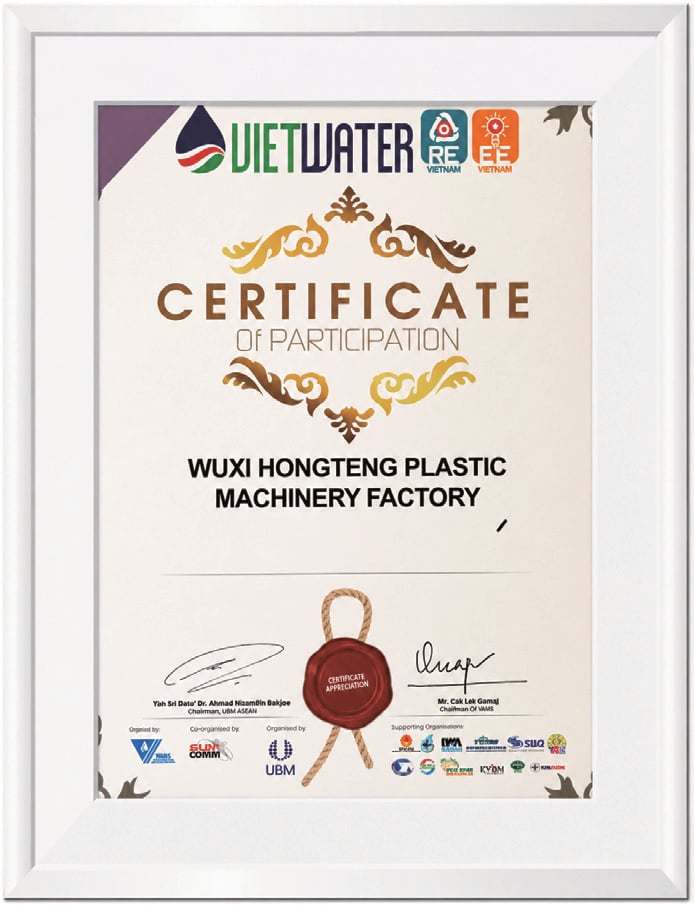
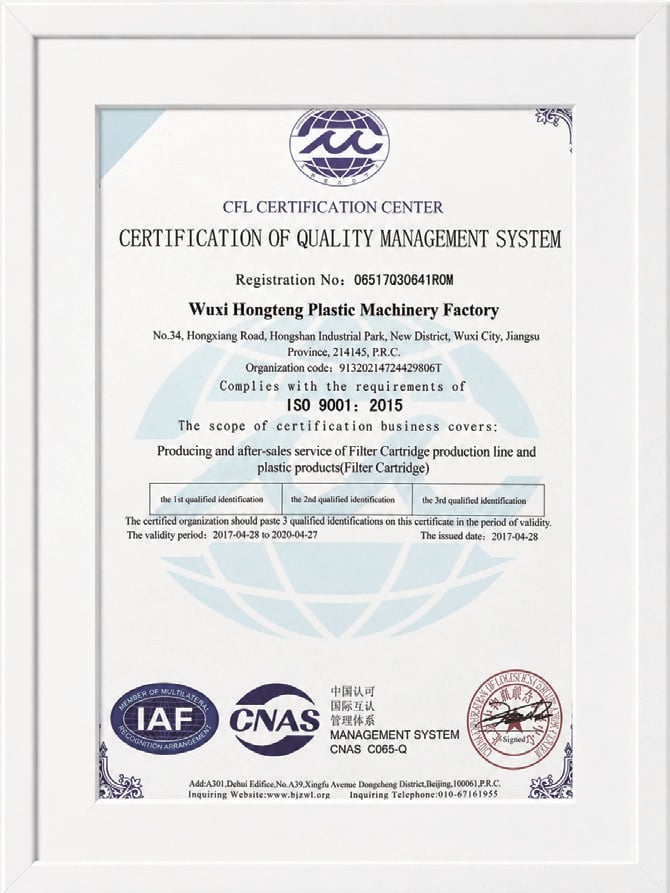
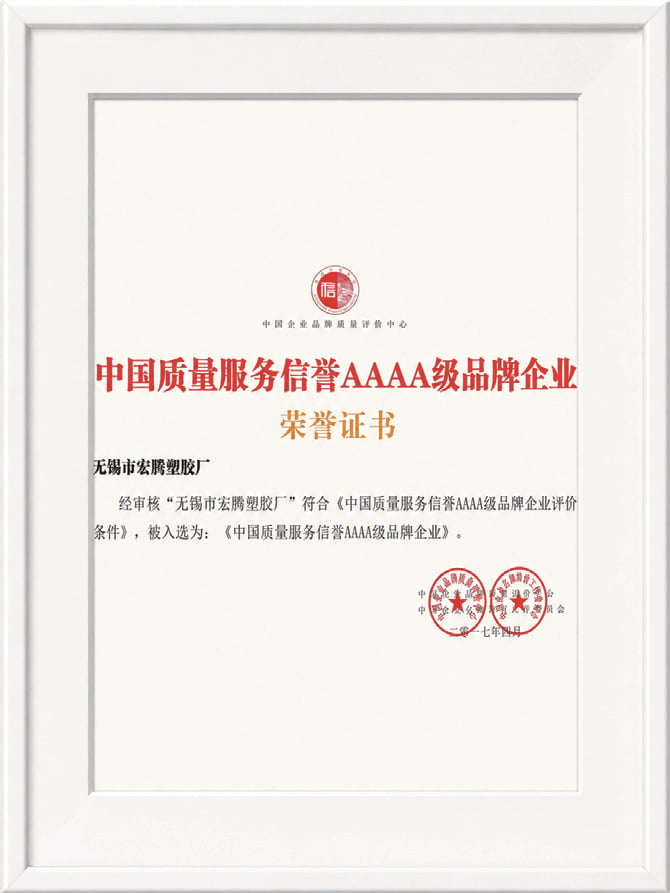
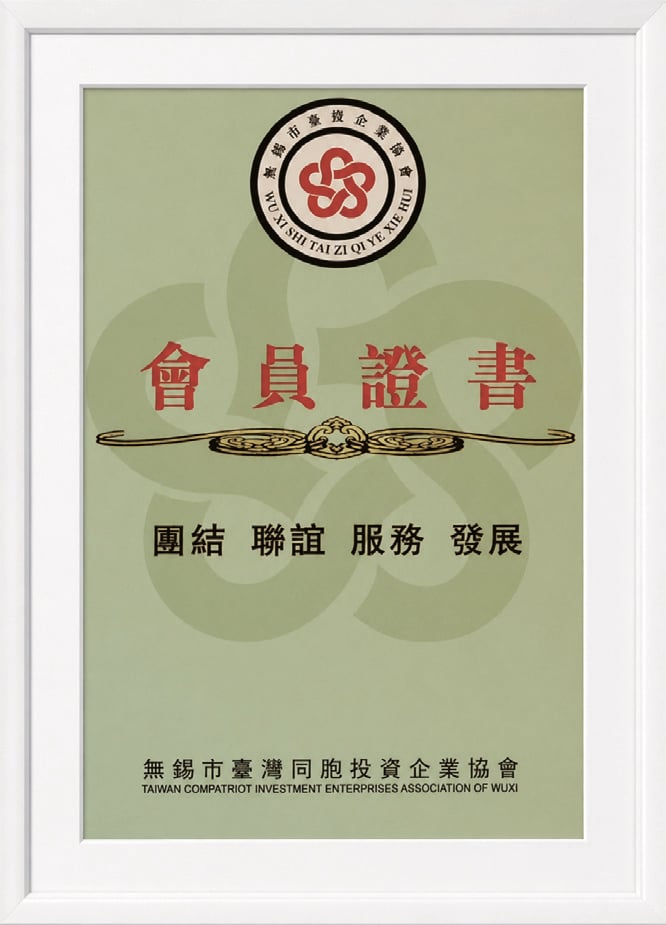
Click the center image to zoom

Where Each Line Is the Wrong Choice
Three duties these machines should not be sold into, and one product family we do not build at all. The trade-off is clear each time: a construction that buys one property always gives up another.
ERROR
Melt blown
INCORRECTWrong when your customer specifies an absolute rating with a defined efficiency at a defined particle size. A nominal rating is not acceptable on a purchasing specification.
WHERE TO LOOK INSTEADWhere to look instead: a pleated line, which we do not build.
String wound
INCORRECTWrong when the duty is fine polishing ahead of a membrane and the customer is sensitive to fibre shedding. Winding buys you dirt-holding capacity and costs you fine polishing capability.
WHERE TO LOOK INSTEADInstead, look at melt blown for the fine end.
CTO carbon block
INCORRECTWrong when your customers need industrial throughput. NSF/ANSI 42 scope is point-of-use and point-of-entry systems, and certification is not a claim that every contaminant is reduced.2
WHERE TO LOOK INSTEADConsider melt blown or wound for industrial pre-filtration instead.
Pleated cartridge production is outside our scope
INCORRECTA pleated filter cartridge is flat-sheet media pleated to increase area, built around a centre core with an outer cage and sealed with adhesive or heat.11 That is a different filter equipment family: pleating, seam welding, cage assembly and infrared end-cap welding. If that is what your customers buy, the machines on this page are not the ones you need.
01 / 04
Filter Cartridge Production Assessment Tools
Config Assessment
Supply Configuration Check
Standard supply on a UDTECH filter cartridge line is AC 380 V / 50 Hz or 220 V / 50 Hz. Other voltages are configurable and become a quotation line item. Enter your site supply to see which case you are in.
Access ToolFinancial Analysis
Landed Cost Composition
An equipment price is not a landed cost. This splits the two apart so you can compare quotations on the same basis, whichever supplier they come from.
Calculate CostCapacity Planning
Floor Space and Output Check
A wire-wound line occupies 1.5 m by 13.5 m, and it turns out one cartridge every 50 to 60 seconds. Those two numbers decide whether your building can take the line and what a month of it looks like. Put your own bay and shift pattern in below.
Evaluate Space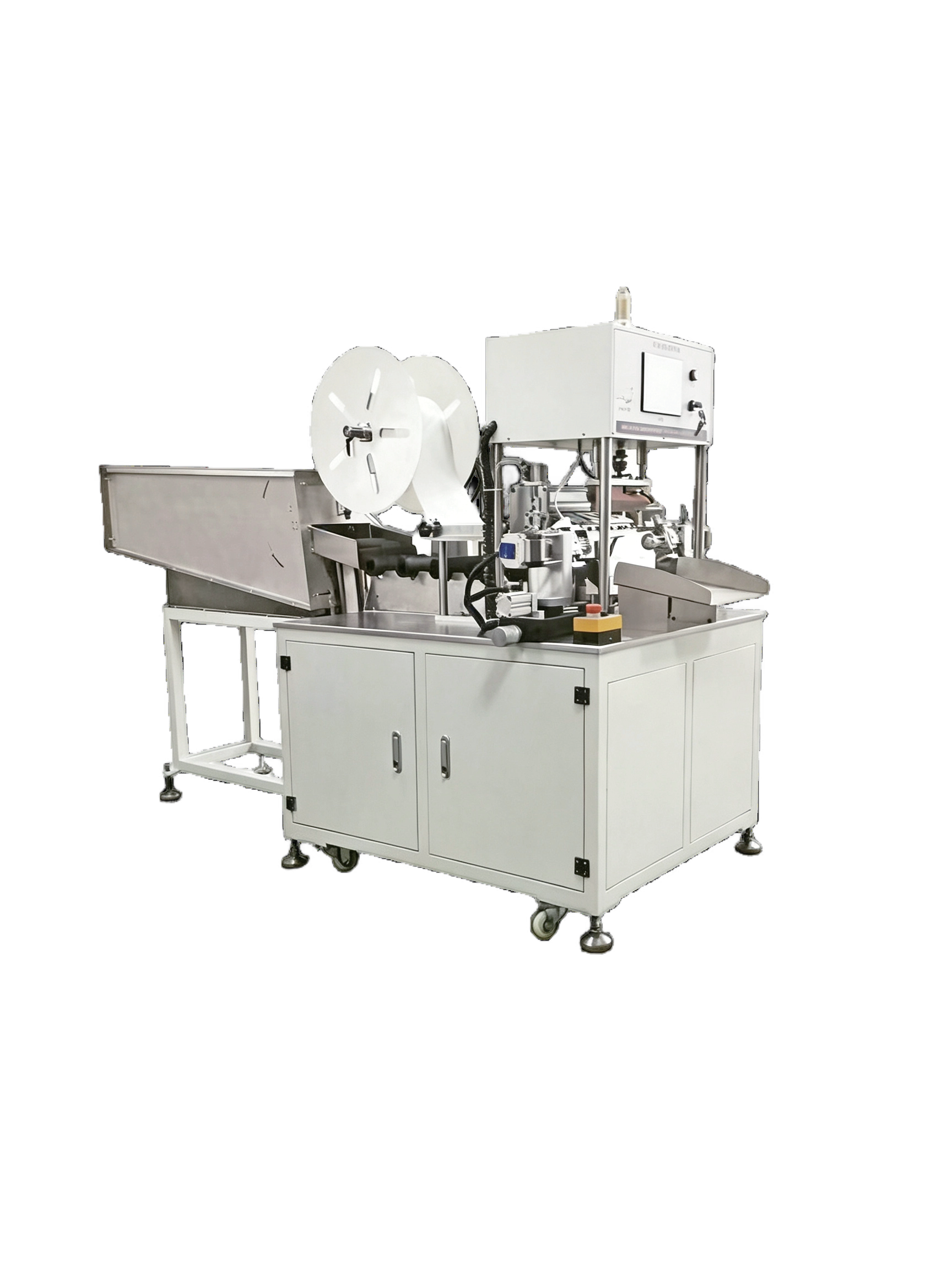
Frequently Asked Questions
What types of filter cartridge manufacturing equipment are there?
Five classes of filter equipment, not three: core tube extrusion, the three forming lines, gluing and capping, pleated filter production, and test and packing. UDTECH builds the first three and does not build pleated filter lines or test rigs.
What is a melt blown filter cartridge?
A tubular depth filter formed from polypropylene granules onto a rotating mandrel under hot air, with no yarn, no adhesive and no core.
What are the key differences between melt blown and string wound cartridges?
Melt blown filter cartridges run 1 to 100 micron with graded density and reach the finer end of the band, which suits sediment and general depth filtration sold in volume. String wound filter cartridges run 1 to 100 micron by yarn and layer count, hold far more dirt, and are standard in reverse osmosis pre-treatment. Unlike melt blown lines, the wound line requires a core from a different extrusion machine.
How is the micron rating controlled on each line?
On melt blown it is die-to-collector distance, hot air temperature and pressure, mandrel rotation and push-forward speed. On wound it is winding tension, yarn choice, layer count and traverse. On carbon block it is carbon grade, particle size and binder ratio.
Which cartridge construction should I produce first?
The one your customers already buy. Send your target cartridge specification and target output and we will indicate which line fits, including cases where the answer is a line we do not build.
Will these lines run on a United States power supply?
Standard supply is AC 380 V / 50 Hz or 220 V / 50 Hz, and other voltages are configurable on request. Voltage is only half the question: United States workplace electrical equipment must be approved under 29 CFR 1910.303(a), which 29 CFR 1910.399 resolves to acceptance by a nationally recognised testing laboratory, and a CE mark does not meet it. Settle voltage, frequency and the panel approval route on the quotation.
What certification will the cartridges need for the United States market?
It depends on the claim you intend to sell. NSF/ANSI 42 covers aesthetic effects, NSF/ANSI 53 covers health-effect claims, and NSF/ANSI 61 covers what a component leaches into drinking water. All three attach to the finished cartridge and the system, never to the machine.
What does a filter cartridge production line cost?
Third-party marketplace listings for this equipment class run from about USD 20,000 to USD 50,000 per machine, and that is an equipment-only figure rather than a quotation from us. Your landed cost adds freight, insurance, duties, taxes and other charges on top. Where a configuration falls inside that band is decided by throughput tier, dimensional range, automation scope, electrical package and documentation, so send the cartridge you intend to manufacture and a specific figure comes back rather than a range that fits nobody.
What is the lead time and how does payment work?
The string wound winder is scheduled at 30 working days, and melt blown and carbon block lines are quoted against your specification. Payment is a 30% T/T deposit with the balance settled before shipment, letters of credit are accepted, and minimum order is 1 set.
What ships with the line and what is the warranty?
An operation manual and a commissioning video ship with the line, with inspection support and export document preparation included in the quoted price. There is a 12-month warranty from delivery.