Get in touch with Suzhou UDTECH Technology Co., Ltd. Company

ISO Certified Standard
Production Line Solutions
Production Line Solutions for Filter Cartridge Manufacturing
Production Line Solutions help filter cartridge suppliers define the next cartridge manufacturing line by selecting the PP melt-blown, CTO activated-carbon or wire-wound filter cartridge route that is suitable for the specified cartridge product.
- Three cartridge routes
- Configuration-led proposals
- Acceptance planned before build
- Global technical after-sales support
Send Your Cartridge Specification
Think of the cartridge construction, functional purpose, target size specification, material types, filtration needs and output base required.
Click to Swap Views
01
Three Cartridge Routes Supported
02
Configuration-Led Proposals
03
Acceptance Planned Before Build
04
Global Technical After-Sales Support
Production-Line Route Screening Matrix
The starting point of the problem is certainly not “automatic vs. manual”. One can take the incorrect road by using machine nomenclature as the “point of departure” rather than specifying the construction, operation and purported function of the cartridge.
PP Melt-Blown Route
Screen when the product brief calls for a depth cartridge formed from polypropylene fibres.
CTO Carbon-Block Route
Screen when adsorption media, binder, block formation and powder handling define the product.
Wire-Wound Route
Screen when yarn, core material, winding pattern and finished diameter define the cartridge.
Potential Fit
The construction and available raw materials align; product and site details still need review.
Validate First
The cartridge uses mixed media, an unusual core, a special claim or a wide changeover range.
Not Enough Information
The inquiry names only water treatment, micron or output without a finished-cartridge specification.
Six Inputs Before Route Selection
End-Use Application
drinking-water treatment. End use: Treatment, process liquid, reverse-osmosis pre-treatment, chemical duty, or specific end use designation.
Contaminant Or Duty
Contaminant or function – sediment loading; taste and odour objective, process protection, or other described removal duty.
Performance Objective
The final-cartridge assertion the buyer intends to demonstrate and report.
Applicable Basis
Specification of the customer, test method, certification program or destination-market rule.
Hydraulic Basis
target flow rates, allowable pressure drop, housing interface and service conditions.
Factory Basis
services, raw material storage, air exchange, operator movement, subsequent process and potential working floor plan.
Application Signals That Change The First Recommendation
| Application Signal | What It Tells The Engineering Review | What Remains Open |
|---|---|---|
| Sediment and particle removal in water filtration | A depth-filter route can enter the shortlist when PP melt-blown construction is approved. | Particle distribution, dirt load, flow rates, pressure drop, housing and micron ratings still need a test basis. |
| Taste, odour or purification objective | An activated carbon filter cartridge can enter the shortlist when adsorption media and block construction are approved. | Carbon source, binder, geometry, contact conditions and the finished-product claim remain product decisions. |
| Process-liquid protection with a string wound filter | A wound route can enter the shortlist when yarn and core construction match the duty. | Chemical compatibility, core materials, yarn, winding pattern, pressure drop and service conditions remain open. |
UDTECH Project Review Workflow
Configuration release rule: the screening matrix reduces the process family but does not replace the engineering review of the actual cartridge drawing or sample, raw materials, target output basis and acceptance needs.
Filter Cartridge Production Routes and Solution Cards
The below three product cards serve as navigation option choices under the one product or parent solution page. They are not substitutions for the primary concern of the above page, and the individual destinations should retain ownership for their route-specific or planning details.
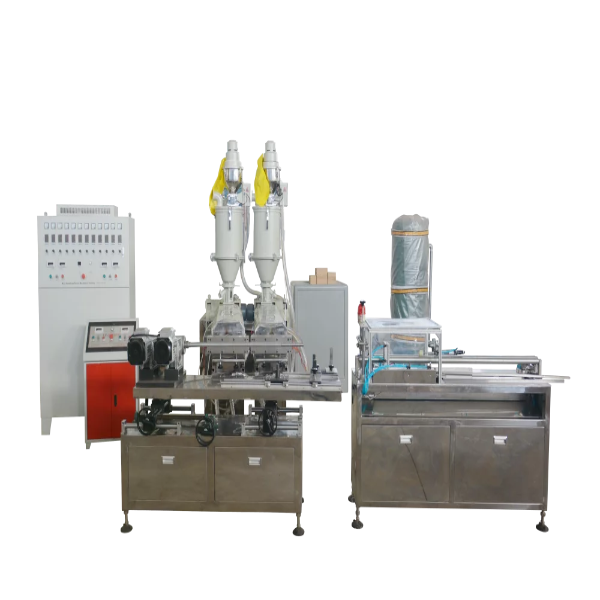
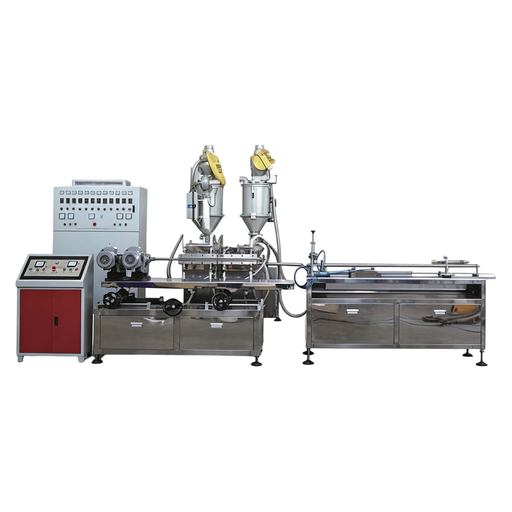
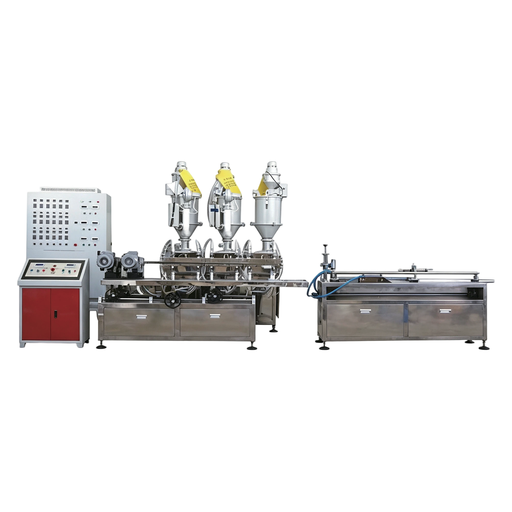
PP Melt Blown Filter Cartridge Production Line
Use this product card when the polypropylene melt-blown construction has already been selected. Route-specific discussion is on the separate product page. Use this parent page for the cross-route decision and project boundary.
- Confirm polymer grade, cartridge geometry and filtration basis.
- Define target output on a stated product and shift basis.
- Identify heating, air, cooling, cutting and downstream interfaces.
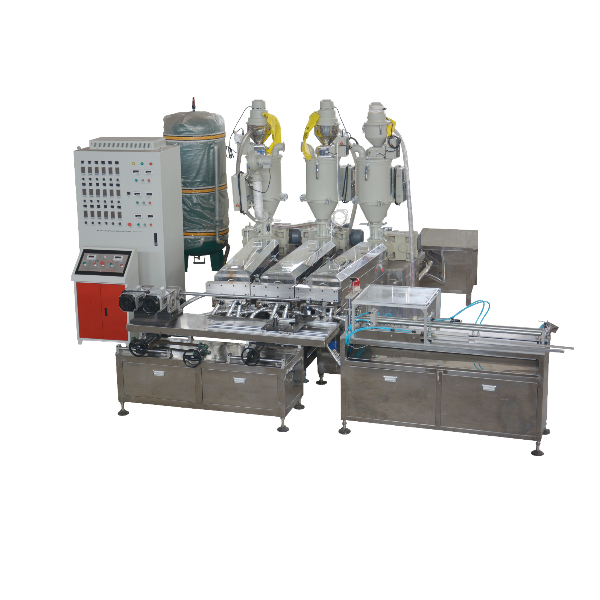
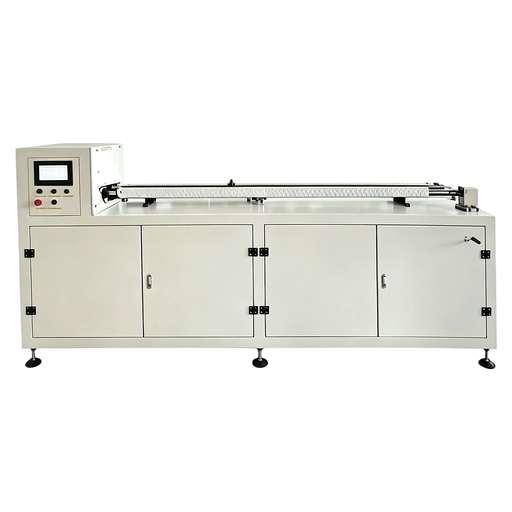
Filter Cartridge Production Line
Use this product card to review the filter-cartridge equipment portfolio after the cartridge families are defined. Its job is to explain the production-line family and configuration detail, not to retarget this parent solution page.
- Compare PP melt-blown, CTO activated-carbon and wire-wound routes.
- Review modules, utilities and buyer-supplier interfaces.
- Prepare route-specific questions for a configured proposal.
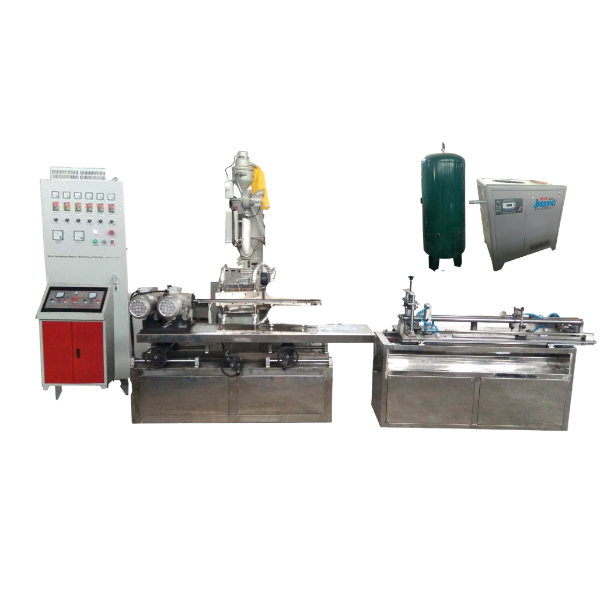
Filter Cartridge Production Planning
Use this product card when the project still needs a controlled brief. It helps organize the product route, capacity assumptions, facility inputs, line boundary and acceptance evidence before machinery is quoted.
- Define the priority cartridge and target market.
- Normalize the output basis and facility requirements.
- Separate machine acceptance from finished-filter validation.
The 9-Point Production-Line Solution Gate
| Decision point | Buyer input | Solution-page outcome |
|---|---|---|
| 1. Cartridge family | PP melt-blown, CTO activated carbon, wire-wound or mixed | Select a route or move to planning first. |
| 2. Product geometry | Length, inside diameter, outside diameter and end condition | Define the product envelope without inventing a machine range. |
| 3. Material system | Polymer, carbon and binder, or yarn and core | Identify material-handling and process-control questions. |
| 4. Performance basis | Customer specification, test method or certification program | Separate process acceptance from the finished-filter claim. |
| 5. Output basis | Product mix, shift time, losses, changeovers and handoff point | Compare realized output on the same stated basis. |
| 6. Utilities | Electrical supply, compressed air, cooling water and exhaust | Map connections and site responsibilities. |
| 7. Line scope | Base machine, options, inspection and packaging handoff | Make inclusion and exclusion visible in the proposal. |
| 8. Safety boundary | Installation, operation, cleaning, maintenance and material hazards | Assign risk-review and safeguard responsibilities by project. |
| 9. Acceptance | Trial material, sample plan, instruments and witness points | Write a measurable factory-acceptance basis. |
PP process control
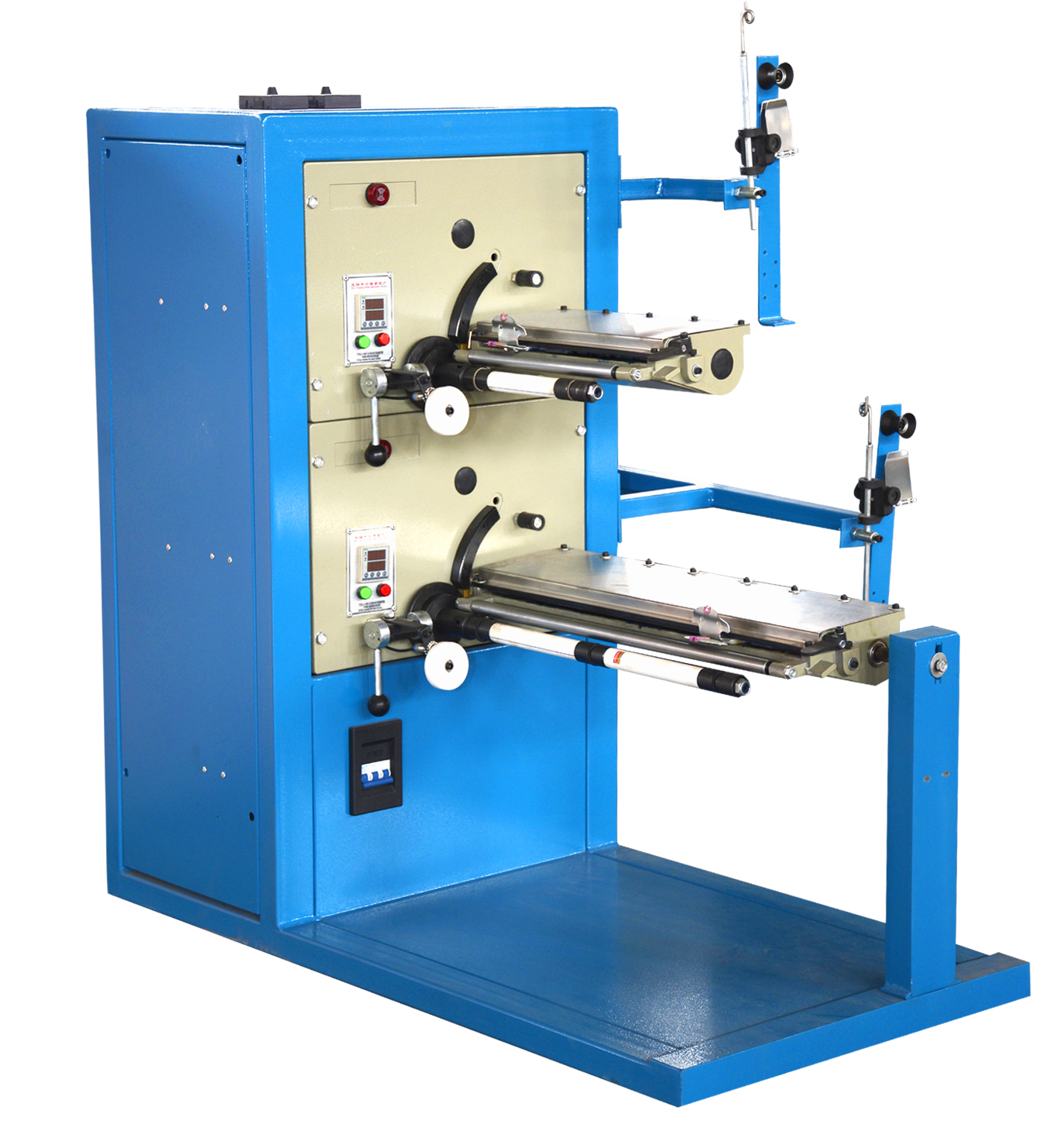
A melt-blown route coordinates polymer feeding, thermal conditions, air-assisted fibre formation, receiving motion and cutting. The relevant production-line solution connects those controls to the approved cartridge rather than a generic “automatic” label.
CTO material control
A CTO route coordinates carbon, binder, forming and downstream treatment. Fine-powder handling also requires a project-specific combustible-dust screening and responsibility boundary; no universal safeguard configuration is implied.
Wire-wound geometry control
A wound route coordinates yarn presentation, core rotation, traverse, tension, pattern build and cut-off. The selected machine must be reviewed against the approved yarn, core, product length and changeover range.
Customization boundary: each component and processing change must trace back to product quality requirements and the approved PP, CTO or string wound filter cartridge brief.
Product and Raw-Material Inputs by Route
So while you need to consider far more than just the shaping machine to make up a production line; you do need to not take at face value “all your up stream and down stream processes constitutes your ‘line’. When we detail everything into what constitutes core, optional, buyer and proposal confirm, then every quotation from competitive supplier can be considered as a clean comparison.
A modular scope can be the right call when the cartridge is stable but a downstream interface still needs validation. The proposal must still identify every handoff and responsible party.
| Line stage | Buyer input | Configuration question | Proposal status |
|---|---|---|---|
| Raw-material storage and feeding | Material grade, form, packaging and handling limits | Which transfer, drying, dosing, mixing or containment steps are required? | Confirm equipment and responsibility |
| Primary forming | Approved cartridge construction and dimensional brief | Which forming process, number of positions, tooling and controls match the product? | Confirm core machine |
| Cutting and end preparation | Length, end geometry and tolerance | Is cutting inline, separate or handled after conditioning? | Confirm module and interface |
| Joining or wrapping | End-cap, adapter, wrap and sealing requirement | Does the product need hot melt, ultrasonic weld, thermal joining or another approved method? | Confirm after sample review |
| Inspection and sampling | Drawing, test basis, sampling plan and records | Which checks belong in the line and which belong in the buyer’s laboratory? | Confirm acceptance boundary |
| Transfer and packaging | Pack format, hygiene need and downstream destination | Is operator transfer acceptable, or is an automated interface required? | Confirm downstream scope |
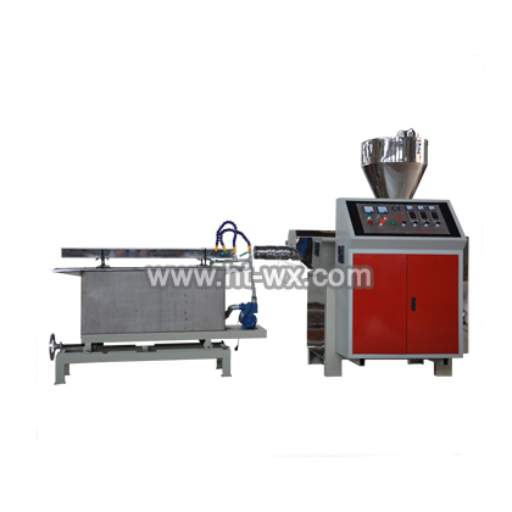
Raw materials that drive configuration
Polypropylene, activated carbon, binder, filtration yarn and core materials have different storage, feeding and forming requirements; instead of substituting the general labels PP, carbon or yarn, we use the approved material specification.
Interfaces that deserve their own line item
Utility points, dust and extraction systems, compressed air, water for cooling, electric distribution, transport systems or packers, inspection areas, etc., can be located separately to the main plant. The list includes an explicit indication for each point of contact.
Line Boundary and Integration Scope
In a finished state, more than forming may need to take place on the cartridge. Cutting, end forming, adapter or end-cap joining, outer wrap, marking, inspection and packing should connect to the forming step without assuming that each operation needs its own machine.
Cutting and trimming
State the approved cartridge length. Confirm whether it is finished to a flat and square end or allows later joining. The proposal specifies whether cut-off is inline, indexed or handled as a separate operation.
Joining and sealing
The proposal identifies whether joining is inline, indexed or handled as a separate operation. End cap, adapter, outer cage, housing interface and seal geometry depend on the finished filter element.
Inspection and packing
Inspection verifies whether ultrasonic, thermal, infrared, adhesive or hot-melt methods match the approved materials and joint design. Dimensional checks, mass checks, visual inspection, sampling, traceability, lab testing and final packaging remain separate decisions.
Automation by operation
Automation defines the required records and operator touchpoints before they are priced as line scope. The trade-off is that additional automation might remove one defined operator task while adding interface points, changeover effort or acceptance points, so it is not always the right description for the full line.
| Operation | Automation question | Human decision that remains |
|---|---|---|
| Material loading | Manual charge, assisted transfer or controlled feeding | Material verification, lot release and replenishment |
| Forming and control system | Recipe, PLC sequence, speed coordination and alarm handling | Start-up approval, process response and deviation review |
| Transfer | Operator move, gravity path, conveyor or robotic handling | Quality hold, jam response and changeover release |
| Inspection | Inline sensor, gauge station or laboratory sampling | Acceptance decision and disposition of nonconforming product |
Production Basis and RFQ Specification Register
Configuration starts when a broad question becomes a well-defined brief for a controlled product. By following the checklist below, we connect the cartridge, raw materials, target output, factory settings and acceptance method without filling gaps with defaults or guesses.
| Priority | Specification group | What to send |
|---|---|---|
| 1 | Finished-cartridge structure | PP melt-blown, CTO carbon block or wire-wound; include a drawing, sample or controlled product specification. |
| 2 | Application and filtration objective | End use, process liquid, contaminant or duty, target micron language, flow basis and allowable pressure drop. |
| 3 | Cartridge dimensions | Length, inner diameter, outer diameter, core, end geometry, adapter, seal and housing interface. |
| 4 | Material system | Polymer grade, activated-carbon and binder specification, yarn, core material, wrap, cap and approved substitutions. |
| 5 | Output basis | Product format, target weight, shift hours, changeover mix, planned stops, scrap basis and included downstream work. |
| 6 | Quality and acceptance | Applicable test, customer standard, sample plan, records, trial material, acceptance duration and sign-off responsibility. |
| 7 | Utilities and site | Voltage and frequency, power availability, compressed air, water, extraction, ventilation, layout and environmental limits. |
| 8 | Project handover | Installation boundary, commissioning, operator training, language, documentation, spares and support expectations. |
Same-Basis Realized-Output Comparison
Two output figures are not comparable when the suppliers use different cartridges, operating calendars or handoff points. NIST’s manufacturing KPI framework is a general indicator taxonomy, not a filter-line performance standard; its throughput, availability, productivity, quality and maintenance measures are not interchangeable, and the project-specific comparison basis comes from the buyer’s own conditions.
| Comparison field | Hold constant | Reason |
|---|---|---|
| Finished product | Length, diameters, weight, construction and micron objective | A lighter or shorter cartridge is not the same production task. |
| Operating calendar | Shift hours, start-up, planned stops and unplanned downtime | Nameplate speed does not include lost production time. |
| Product mix | Changeover frequency, range and cleaning or purge sequence | Frequent changes reduce available running time. |
| Quality yield | Scrap definition, rework and accepted-product count | Total pieces and accepted pieces are different outputs. |
| Test window | Warm-up, trial duration, material lot and acceptance rules | A short demonstration can hide stability or changeover losses. |
| Scope boundary | Forming only versus cutting, joining, inspection and packaging | Output at different handoff points is not directly comparable. |
Quality Control and Acceptance Planning
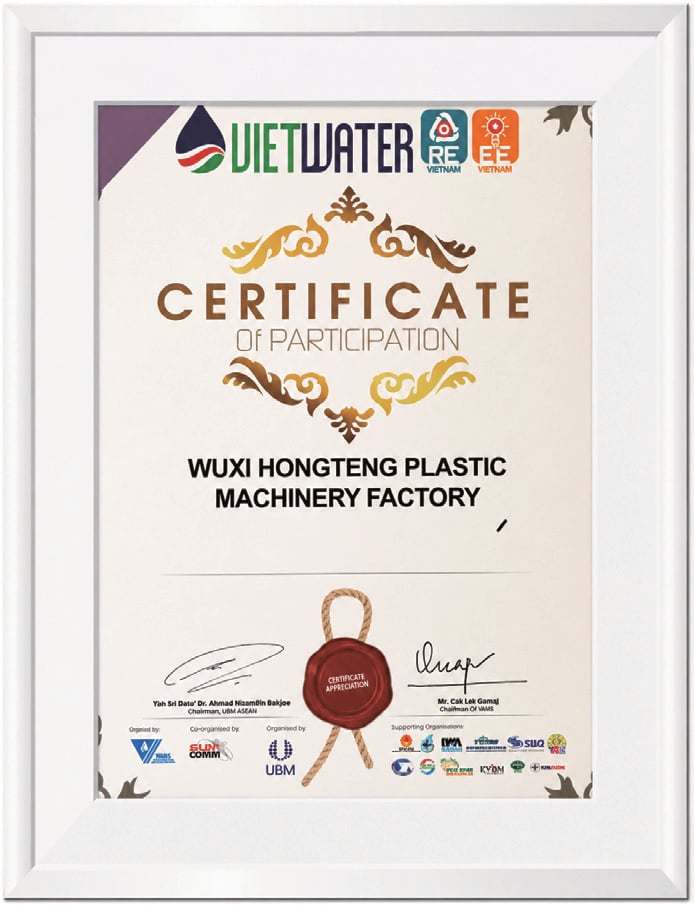
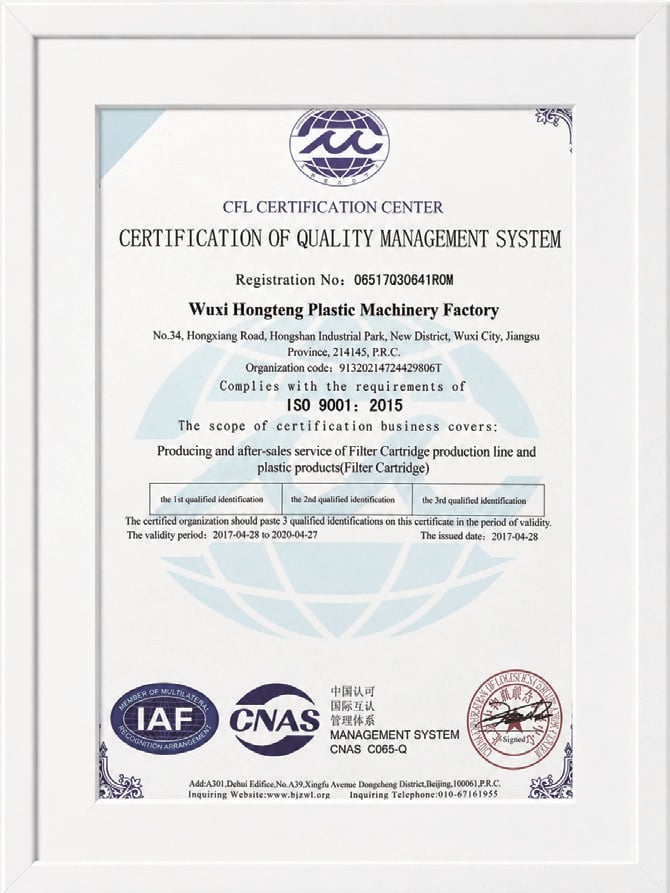
We connect machine configuration to a finished-cartridge acceptance plan before the build scope is fixed because an unclear test boundary creates acceptance risk. UDTECH's ISO 9001:2015 quality-management system applies to the company system; it is not a substitute for machine-specific acceptance or finished-product validation.
Acceptance Responsibility Matrix
| Evidence Object | Purpose | Responsibility to Confirm |
|---|---|---|
| Approved drawing or sample | Controls geometry, interfaces and visible product requirements | Buyer approval and revision status |
| Raw-material specification | Controls polymer, carbon, binder, yarn, core and approved substitutions | Buyer requirement and supplier traceability scope |
| Process and control review | Connects setpoints, recipes, alarms and operator actions to the configured route | UDTECH configuration and buyer operating input |
| Factory trial plan | Defines material lot, product format, test window, changeover and output basis | Jointly agreed plan and sign-off roles |
| Inspection record | Captures agreed dimensional, mass, visual or process checks | Record format, sampling and acceptance limits |
| Open-items register | Separates completed tests from site-dependent or buyer-dependent items | Owner, due point and closure evidence |
Finished-Cartridge Claim Boundary
NSF separates aesthetic claims under NSF/ANSI 42 from health-effect contaminant-reduction claims under NSF/ANSI 53, and certification does not mean that a product addresses every contaminant. This third-party verification boundary is why the intended claim and applicable test basis belong in the inquiry before the line is configured.
Machine Acceptance
Confirms the configured equipment, safety functions within the agreed scope, controls, module interfaces and the defined factory trial. It does not replace product certification or the buyer's destination-market obligations.
Finished-Product Validation
Confirms the cartridge against its own performance objective, applicable method and market requirement. Product claims need the agreed media, construction, test conditions and responsible laboratory or certification path.
×
![Enlarged View]()
Configured Production-Line Project Workflow
Define the finished cartridge
Send the construction, application, dimensions, materials, performance objective, drawing or sample, and destination requirement.
Confirm the production basis
State product mix, target output basis, operator plan, changeovers, utilities and downstream handoff point.
Map the line and responsibilities
We separate core equipment, options, buyer-supplied systems, interfaces and items that need sample validation.
Issue the configured proposal
Equipment, tooling, controls, scope, commercial fields and exclusions are recorded in writing.
Agree trial and acceptance
The parties define trial material, product format, test duration, records, open items and sign-off roles.
Prepare the site and handover
Installation, commissioning, operator training, documents, spares and support follow the written project scope.
Site-readiness questions by route
PP polymer heating and fibre formation
- Electrical supply, heating load and control-panel location
- Air system, cooling, exhaust and ambient conditions
- Material storage, feeding path and start-up waste handling
- Hot-surface, moving-part and operator-access controls
CTO carbon and binder handling
- Powder storage, transfer, mixing and spill-control route
- Ventilation, dust collection, housekeeping and ignition-source review
- Material segregation, operator protection and local disposal rules
- Forming, curing or cooling interfaces for the approved recipe
Wire-winding operation
- Yarn and core presentation, replenishment and traceability
- Guarding, tension elements, rotating parts and safe access
- Loading, unloading, cut-off and finished-cartridge transfer
- Ergonomics, pattern change and operator training needs
OSHA notes that finely divided combustible materials dispersed in air can explode and lists plastics and coal among relevant examples. The practical conclusion is a site-specific hazard review for polymer and carbon handling, carried out under the buyer's jurisdiction and project conditions.
Installation and commissioning responsibility checklist
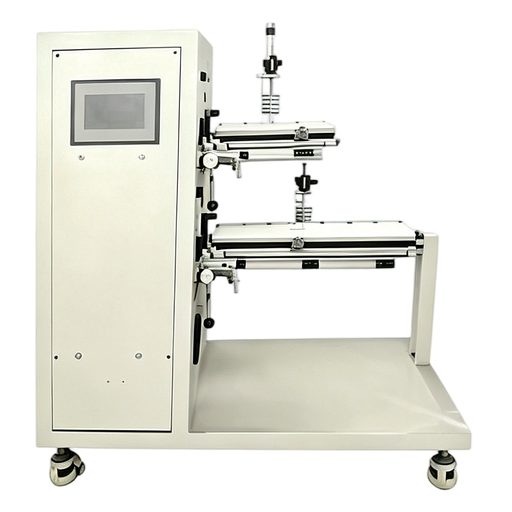
| Work package | Input needed before dispatch | Written confirmation |
|---|---|---|
| Layout and foundation | Approved floor plan, access, floor loading and service clearances | Equipment footprint and buyer civil-work boundary |
| Utilities | Voltage, frequency, air, water, extraction and connection points | Supply conditions and connection responsibility |
| Unloading and positioning | Delivery access, lifting plan, local labour and equipment | Owner for unloading, movement and final positioning |
| Commissioning material | Approved raw material, packaging and sufficient trial quantity | Who supplies material and how unused material is handled |
| Operator handover | Staff roles, language, shifts and baseline skills | Training content, attendance and completion record |
| Acceptance timing | Factory-complete items and site-dependent tests | Sign-off stages, open-item rules and final handover point |
Configuration control through the project
Industrial equipment projects lose clarity when product changes arrive as informal messages after the line map is approved. We keep the current cartridge revision, material specification, module list, interface register and acceptance basis together so the engineering, production and commissioning teams work from the same release.
- Before proposal: open assumptions are marked against the person who must answer them.
- Before production: approved product inputs, scope and interfaces are checked against the order record.
- Before factory trial: material, cartridge format, operating window, records and approvers are confirmed.
- Before dispatch: site inputs, open items, documents and the installation boundary are reviewed.
- Before handover: commissioning results, operator instruction and remaining actions are recorded.
The result is not extra paperwork for its own sake. It gives the filter equipment industry a shared point of reference when a product range, utility condition or downstream interface changes during the project.
Project Conditions That Need a Different Route
A full production-line commitment is the wrong first step when the product, process or site basis is still moving. Each risk below has a practical next action that produces a better specification before equipment scope is fixed.
01
Mixed or unusual material system
Why It Works Against You
Feed, heating, binding, tension, joining and emissions behaviour may not match a standard route.
Next Action
Review material data and run a bounded sample or process trial.
02
Unverified performance claim
Why It Works Against You
A micron label or contaminant claim without a test basis cannot define machine acceptance.
Next Action
Identify the applicable method, laboratory path and product acceptance criteria.
03
Very broad product range
Why It Works Against You
Frequent changes in length, diameter, mass, media or core can dominate realized output.
Next Action
Group products into priority families and define a changeover matrix.
04
Undefined downstream scope
Why It Works Against You
Forming output can be stranded by cutting, joining, inspection or packaging bottlenecks.
Next Action
Map every handoff and phase the project by verified interfaces.
05
Site limits not yet known
Why It Works Against You
Power, air, water, extraction, access or floor layout can change the equipment arrangement.
Next Action
Complete the site-input sheet before layout and commercial release.
06
Recipe or product ownership is unresolved
Why It Works Against You
The machine supplier cannot replace the buyer's approved formulation or market claim.
Next Action
Assign recipe, material approval and finished-product validation responsibility.
Phased scope is a valid engineering choice
Start with the process or sample validation needed to close the highest-risk input, then release the line configuration. That sequence protects the project from buying automation around an unstable product definition.
Filter Cartridge Production Line FAQs
Which line is used for PP melt-blown, CTO carbon block and wire-wound cartridges?
PP melt-blown cartridges use a fibre-forming route based on polypropylene; CTO carbon blocks use carbon, binder and a block-forming route; wire-wound cartridges use yarn wound around a core. Start with the approved finished-cartridge construction, then validate its material, dimensions, duty and site conditions.
What information is needed to configure a filter cartridge making machine?
Send the water filter or process application, cartridge construction, dimensions, materials, micron or performance objective, pressure-drop basis, target weight, product mix, output basis, utilities, downstream scope and acceptance method. A drawing, sample and controlled material specification reduce assumptions.
How should production capacity be compared between suppliers?
Hold the cartridge length, diameters, weight, structure, accepted-product definition, shift hours, downtime, changeover, maintenance, scrap, test duration and downstream handoff point constant. Compare realized accepted output on that shared basis, not the highest isolated speed figure.
Can one line make multiple cartridge lengths, diameters or micron grades?
The answer depends on the selected route, tooling, receiving or winding system, cut-off method, controls and approved product range. List each required format and annual mix so change parts, recipe control and changeover work can be evaluated in the proposal.
Which utilities and factory-space inputs are needed before quotation?
Provide voltage, frequency, available power, compressed air, water, extraction, ventilation, ambient limits, floor layout, access and connection points. CTO powder handling also needs a site-specific combustible-dust and housekeeping review; PP and winding routes need their own heat, air, guarding and material-flow checks.
What does automatic include on a production line?
Define automation separately for feeding, forming, transfer, cutting, joining, inspection and packing. The proposal should also identify operator loading, replenishment, sampling, changeover, alarm response, quality release and nonconforming-product handling.
Which downstream modules may be separate from the core machine?
Cutting, trimming, end-cap or adapter joining, wrapping, outer-cage assembly, marking, inspection, conveying and packaging can be separate modules. Their inclusion depends on the cartridge design, material compatibility, target handoff point and required operator flow.
What should installation, commissioning and operator training include?
Confirm layout and foundation inputs, utility connection, unloading, positioning, approved trial material, commissioning sequence, operator roles, language, documents, spares and sign-off stages. The written proposal assigns each task and separates factory-complete checks from site-dependent work.
How should acceptance be defined for a configured line?
Use the approved cartridge specification, raw material, trial format, operating window, changeover condition, inspection record, accepted-output basis, open-items register and named approvers. Finished-cartridge performance, filtration efficiency or water purification certification remains a separate validation task unless its test is explicitly included.
What does the written proposal confirm about price and delivery?
It identifies the equipment and module list, tooling, controls, exclusions, buyer-supplied items, price, payment terms, trade terms, delivery basis, acceptance scope, installation, commissioning, training, warranty, support and validity. Only the configured proposal sets UDTECH's project-specific values and obligations.
Is an active carbon cartridge line the same as a CTO line?
Active carbon is often used as broad shorthand, while CTO usually points to a carbon-block cartridge intended for chlorine, taste and odour applications. The approved carbon, binder, geometry, forming route and performance claim decide whether the requested equipment is the same production task.
Can the same machinery cover every industrial filter cartridge?
No. This parent page covers PP melt-blown, CTO carbon-block and wire-wound routes; pleated membrane, high-flow pleated, air-filter and other cartridge constructions can require different filter media, pleating, welding, outer cage, sealing and manufacturing equipment.