Get in touch with Suzhou UDTECH Technology Co., Ltd. Company

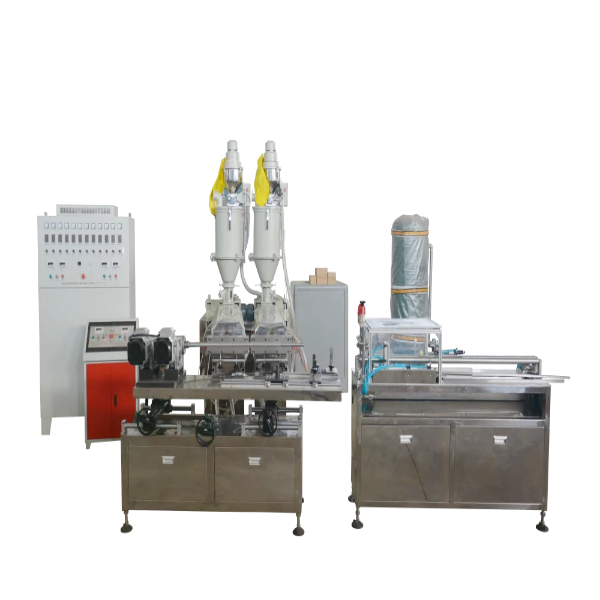
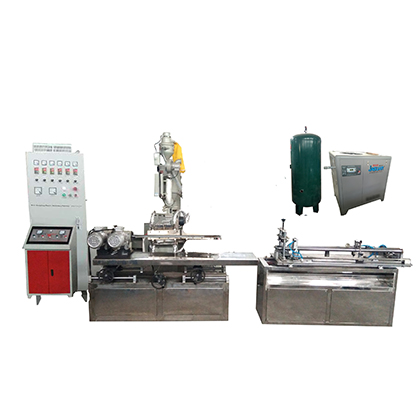
PP Melt Blown Filter Cartridge Production Line
A PP melt blown filter cartridge production line should be built around the cartridge you intend to sell, the utilities available in your plant and the evidence your team needs at acceptance. UDTECH converts those inputs into an engineer-reviewed machine scope, with the machine factory-acceptance plan separated from downstream filter qualification.
- Target cartridge first
- Configuration and utilities aligned
- Acceptance scope written before build
- Price based on defined inclusions
Product target
Define the cartridgeState length, inside and outside diameter, nominal micron target, density profile, surface form, core option and downstream assembly interface.
Line scope
Mark required modulesSeparate base process functions, optional handling, surface forming, cutting, recycling and plant-interface items for engineering confirmation.
Commercial scope
Compare the same packagePlace machine modules, tooling, trials, training, commissioning, spares, packing, freight and destination requirements on one inclusion sheet.
PP Melt Blown Filter Cartridge Line Capabilities
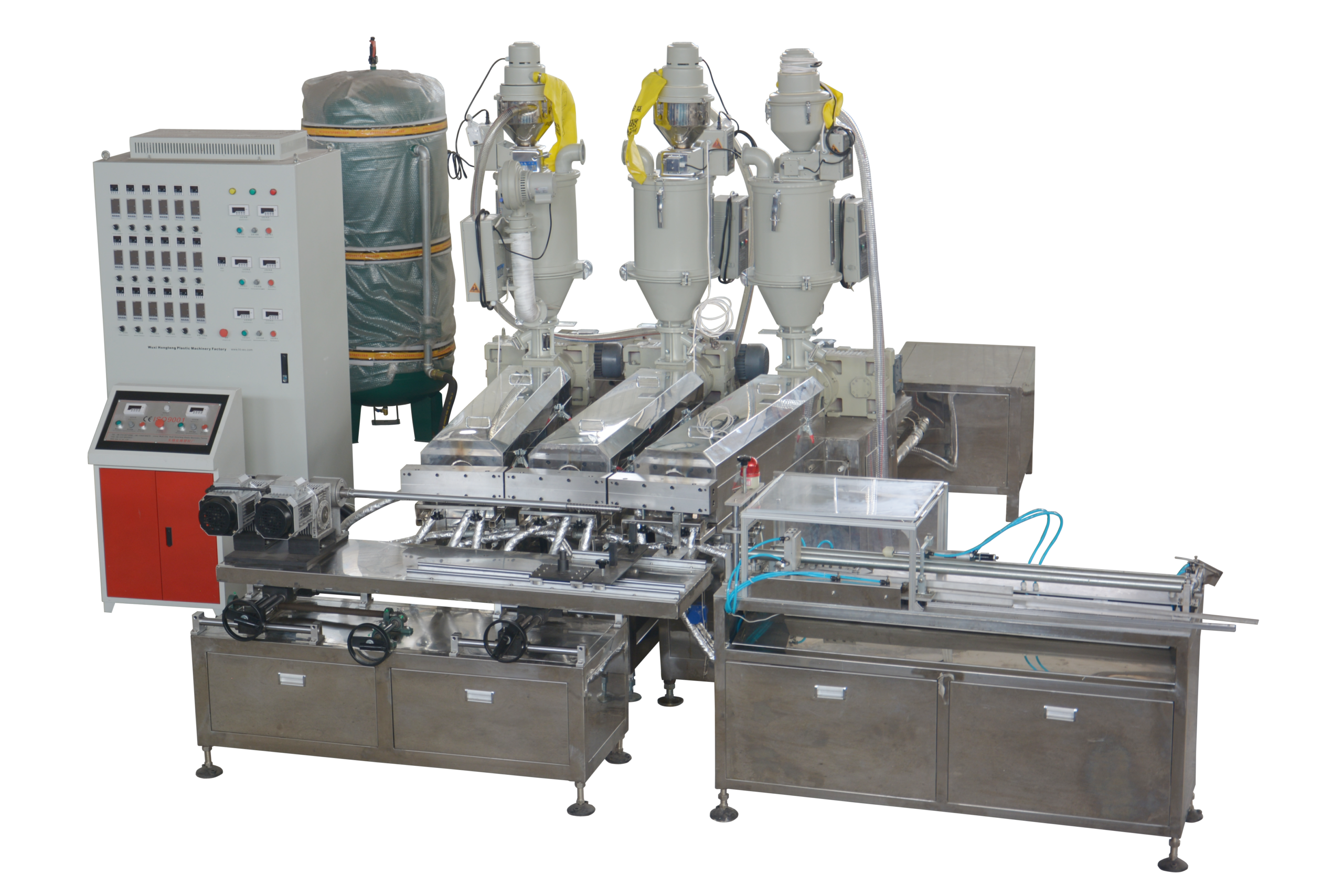
A melt-blown cartridge line must coordinate material feed, polymer melting, hot-air attenuation, receiving motion and cutting to a specification for the approved product. Literature on melt-blown equipment also demonstrates why a machine speed alone does not describe a process: variables may alter fiber diameter, surface density, porosity, cartridge diameter and mass.
We review the proposed polypropylene input, supplier constraint, handling method and trial-lot plan before freezing the material-side scope.
The extruder, temperature-zone logic and melt-delivery path are configured against the target product and recorded trial conditions, not copied from another supplier’s model table.
Air and polymer delivery form the polypropylene fiber web. The quotation records the configuration to be supplied and the parameters that will be available for the agreed trials.
Receiving motion and product geometry belong in the same engineering review because collector movement influences structure as well as nominal production speed.
Gradient pore or multi-zone requirements are translated into sample objectives and operating records. They are not treated as proved filtration efficiency without downstream testing.
Cut method, finished length, end condition and measurement point are written into the sample and factory-acceptance sheet.
Plain, grooved or another requested surface is reviewed as a product requirement that can change tooling, handling and acceptance checks.
Automatic transfer, scrap handling, recycling and downstream joining are listed as separate options so the buyer can see what is included and what remains outside the line.
Terminology
One process, several buyer search terms
A buyer may call this equipment a filter cartridge making machine, filter making machine, PP spun filter cartridge making machine or blown filter cartridge making machine. Related searches also use PP melt blown filter making machine, water filter cartridge making machine, PP spun filter making machine and PP melt blown filter machine; the technical comparison still needs the actual process route. On this page, PP spun filter cartridge making and melt blown filter cartridge making both mean direct polypropylene fiber deposition around a receiving form; they do not mean a machine that uses PP yarn to spin or wind a cartridge.
Melt-blow record
Why it belongs in the trial sheetMelt blow material and lot
Connects the observed cartridge result to the polypropylene actually loaded.
Melt blow air and temperature conditions
Preserves the operating context behind fiber and density observations.
Melt blow receiving and cut conditions
Connects the process window to geometry, surface and accepted output.
STATEMENT
Engineering rule: output becomes comparable only after the resin, cartridge specification, accepted-product definition, operating window and sampling plan are fixed. The witnessed run proves the agreed factory-acceptance event; it does not create a universal long-run capacity guarantee.
Cartridge Specification and Polypropylene Input
The product brief is the configuration control document. A PP spun filter cartridge specification that only provides a nominal micron label leaves many decisions unresolved: geometry, density profile, media handling, intended liquid and the downstream qualification path.
Input field
What to state
Why the line team needs it
Polypropylene input
Resin grade, approved supplier or equivalence rule, additive restriction and lot identification
Raw materials and lot changes can alter the operating window and sample result.
Cartridge geometry
Finished length, inside diameter, outside diameter, core/no-core construction and end condition
These fields drive receiving, cutting, tooling, transfer and measurement scope.
Filtration target
Nominal or absolute claim, micron range, gradient-density intent and test basis
A label alone does not identify the test method, flow condition or pass limit.
Service context
Liquid, temperature, flow, chemistry, upstream load and downstream equipment
The end use determines what material and filter-performance evidence the buyer must establish.
Surface and assembly
Plain/grooved/embossed surface, adapter or cap interface, joining and packaging needs
Finishing operations can change the production route and acceptance sequence.
Sample plan
Trial quantity, sampling points, measurements, record format and retained samples
The factory run needs an agreed decision rule before material is loaded.
Material boundary
Food-contact or regulated use
For a food-contact project, the buyer must define the intended conditions of use and required material documentation. United States 21 CFR 177.1520 sets conditional requirements for qualifying olefin polymers; it does not certify the production line or every finished filter cartridge.
Performance boundary
Downstream qualification
Filtration efficiency, contaminant capacity, differential pressure and specific contaminant-reduction claims belong to a test program built around the actual cartridge and service conditions.
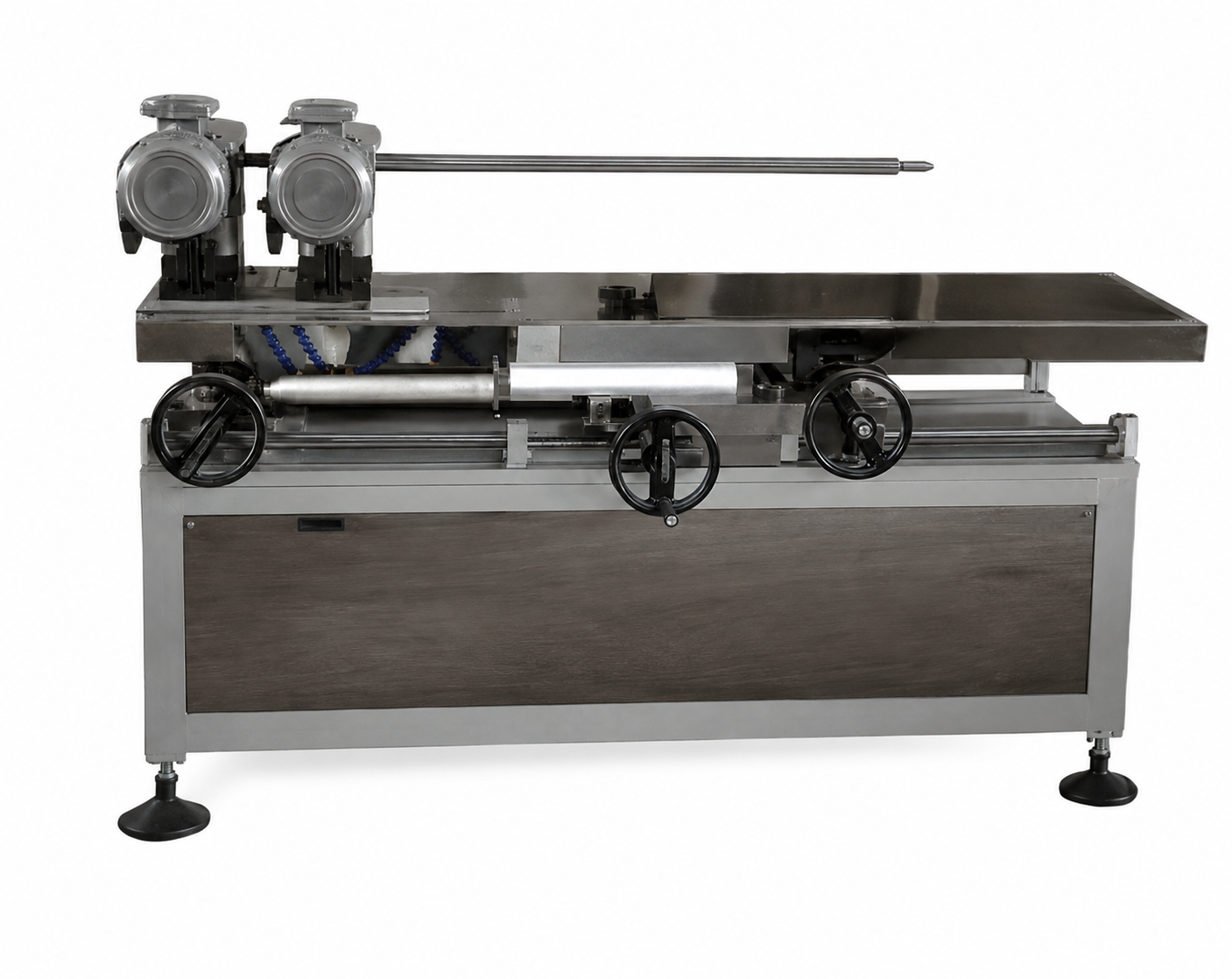
Surface-Forming and Finishing Options
Surface and end requirements should be selected before the final machine scope is priced. Each option below is an inquiry field for engineering confirmation, not a claim that every function is included in every configuration.
A published continuous-production apparatus study treats cartridge geometry as a defined process variable; it does not establish specifications for UDTECH equipment.
| Requirement | Why it changes the line | Quotation input | Acceptance item |
|---|---|---|---|
| Plain surface | Sets the baseline receiving and handling route | Approved appearance and diameter band | Surface condition and dimensional record |
| Grooved surface | Adds a surface-forming operation and tool interface | Groove pattern, pitch, depth intent and affected length | Approved sample and visible pattern check |
| Embossed or patterned surface | Changes tooling and contact conditions | Drawing, sample or pattern reference | Pattern continuity and approved-sample comparison |
| Cut length and end condition | Changes cut timing, support and downstream handling | Measurement datum, end-face requirement and tolerance | Recorded length and end-face inspection |
| Core or adapter interface | Can add an assembly or joining step | Component drawing, material and fit requirement | Fit, orientation and agreed integrity check |
| Packing interface | Changes discharge, protection and operator work | Unit pack, labeling and transfer expectation | Count, identification and pack condition |
Full-Process Quality Control and Acceptance
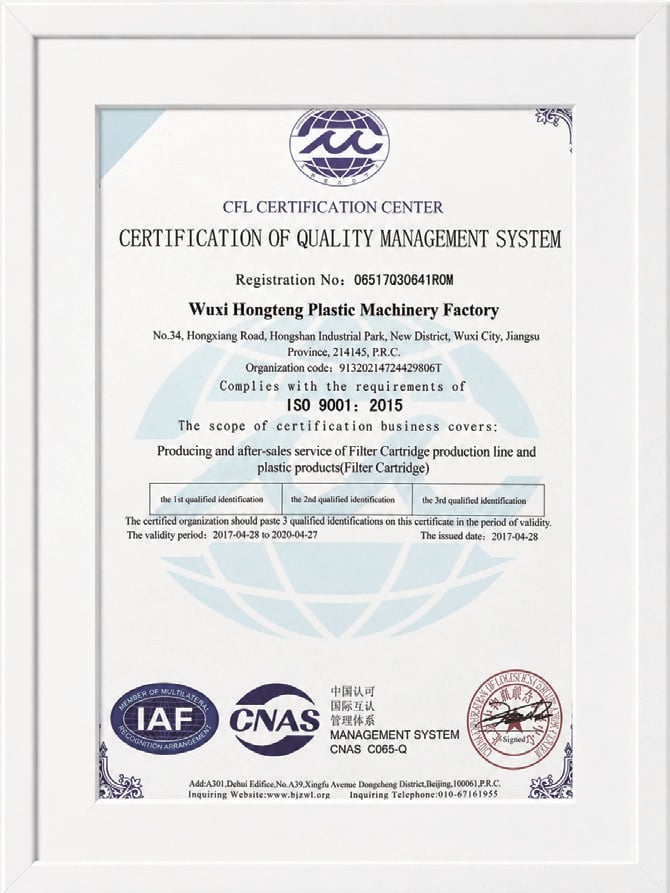
UDTECH applies full-process quality control supported by manufacturing, laboratory and testing equipment. For this project, the useful proof is a traceable path from the signed requirement to build checks, the witnessed run, sample records, deviation closeout and released documents.
Requirement freeze: approve the product brief, module list, utilities, layout, responsibilities and acceptance plan.
Build-stage checks: Identify the components and assemblies that require inspection or functional verification before the full line is tested.
Dry and loaded trials: confirm the agreed functions, interfaces and safety-related operating logic before recording product samples.
Sample measurement: measure the agreed dimensions, structure or other attributes at the specified points using the signed method.
Deviation closeout: record the issue, owner, correction, retest result and acceptance decision against the same written criteria.
Release pack: close the document index, operating records and training/hand-over items listed in the quotation.
Machine factory acceptance
This layer checks the supplied line functions, interfaces, stable witnessed-run window, accepted-product count, agreed sample observations and records. It closes the machine scope agreed between buyer and supplier.
Downstream product qualification
This layer addresses filtration efficiency, capacity, pressure behavior, material safety or a specific contaminant claim under the buyer's actual end-use test basis. Its method, laboratory and responsibility are stated separately.
Evidence boundary: a dimension, pore-structure observation or integrity indicator can support process control, but no single result proves every filtration rating, retention claim or regulated application. ISO 2942:2018, for example, separates fabrication-integrity and first-bubble-point observations from filtration rating, efficiency and retention capacity.
From Requirement Review to Commissioning
Include target cartridge data, planned accepted output, raw material, surface, plant utilities, layout and end-use context.
We map each requirement to an offered module, buyer responsibility, open question or downstream qualification item.
The quotation and technical agreement identify inclusions, exclusions, commercial terms, documents and acceptance responsibilities.
UDTECH's production team follows the agreed build scope and full-process quality-control route.
Both parties use the signed criteria; any deviation is corrected and retested against the same acceptance rule.
Packing, freight, remote or on-site commissioning, training language/duration, personnel, travel and spares follow the quotation.
Destination compliance inputs
| Input | Decision to record | Owner |
|---|---|---|
| Installation country and facility | Applicable buyer standard, authority and market-access route | Buyer with local adviser; supplier provides agreed technical data |
| Electrical supply | Voltage, frequency, phase, earthing concept and supply connection | Joint interface review |
| Control components and panel | Required listing/approval scope, language, schematics and replacement strategy | Named in technical agreement |
| Machine safety | Guarding, access, emergency stop, interlock, risk-document and validation expectations | Named in technical agreement |
| Site work | Foundations, lifting, utilities, exhaust, local labor and commissioning permissions | Buyer/supplier split in delivery scope |
Late compliance changes are a project risk because the electrical and safety route is driven by destination and machine scope. UDTECH records the requirement before design freeze; IEC 60204-1 and OSHA's Nationally Recognized Testing Laboratory program are reference points only when applicable to that destination and supplied scope.
UDTECH Production and Technical-Support Scope
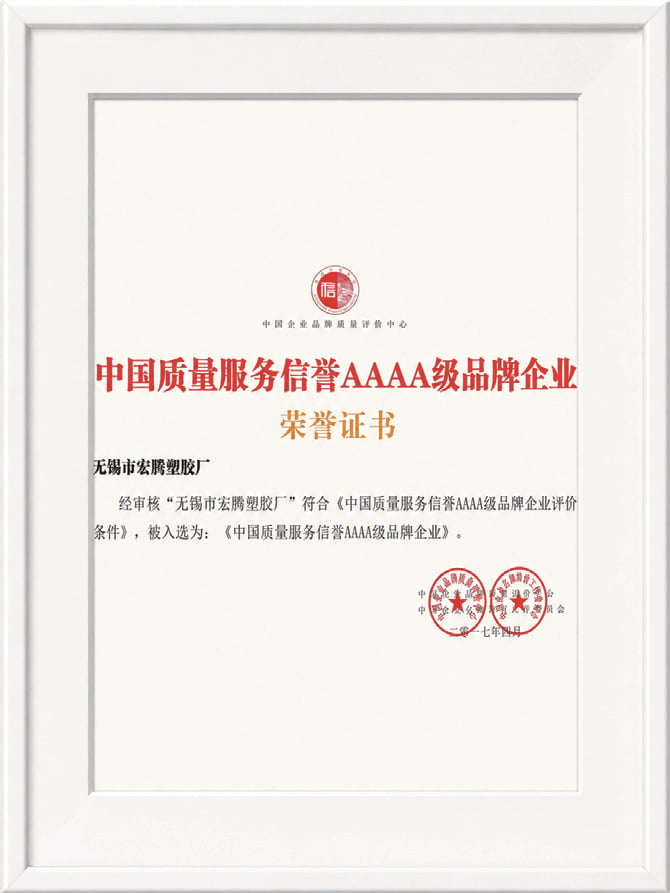
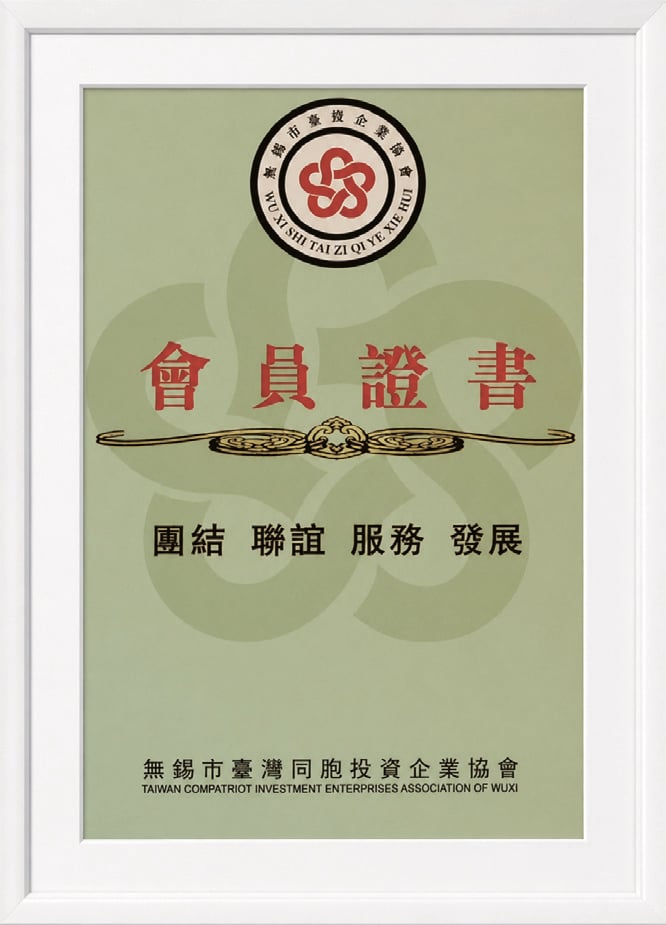
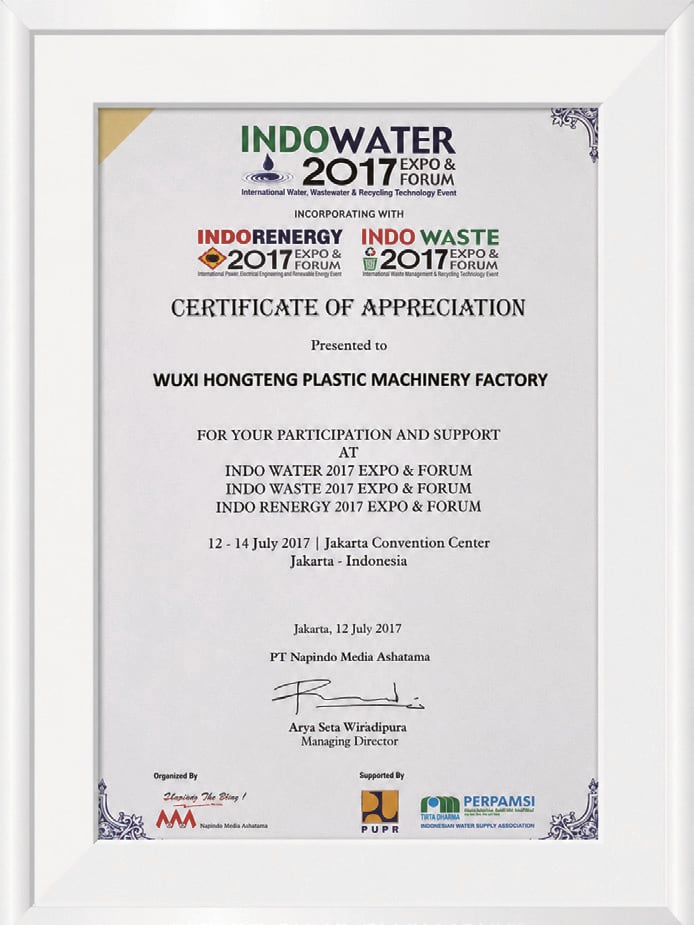
Suzhou UDTECH Technology Co., Ltd. produces filter equipment for PP melt-blown, CTO activated carbon and wire-wound filter-cartridge manufacturing. The company integrates independent R&D, production, domestic sales, global export and technical after-sales service.

Production base
6,000-sqm workshopThe production base is furnished with manufacturing, laboratory and testing equipment to support equipment build and quality-control work.
Quality scope
Full-process controlUDTECH uses a rigorous control system across the process, supported by skilled professional teams and the documented project requirements.
Lifecycle scope
Engineering to supportIndependent research and development, manufacturing, sales, export coordination and technical after-sales service sit within the same business scope.
PP Melt Blown Filter Cartridge Machine FAQs
What is a PP melt blown filter cartridge production line?
It is a coordinated production system that melts polypropylene, attenuates the polymer into fibers with hot air, deposits the web around a receiving form and cuts or finishes the tubular cartridge. The offered scope should name the included process, handling, surface and finishing modules.
Why do buyers use several names for the same making machine?
Search language overlaps across filter cartridge making machine, filter machine and PP spun filter cartridge terms. Confirm that the offered process is melt blowing rather than a wound filter cartridge machine, carbon block filter line or air filter making machine before comparing specifications.
How does melt blowing form a depth-filter cartridge?
Melt-blowing research describes how melt and air conditions, throughput, collection distance and receiving motion influence the deposited fiber web and cartridge structure. A gradient-density objective must be tied to approved samples and downstream test criteria rather than inferred from a machine-speed setting.
Which polypropylene information belongs in the inquiry?
Send the resin grade, approved supplier or substitution rule, additive restrictions, lot-identification expectation and available sample material. Also state any food-contact, drinking-water or regulated-use documentation your market requires.
Which cartridge sizes and micron targets should be included?
Provide finished length, inside and outside diameter, core condition, end treatment, surface form, nominal or absolute micron language and gradient-density intent. Attach the test basis behind any performance label.
How should line output be defined for factory acceptance?
Define accepted cartridges within a stated witnessed-run window, using an agreed resin, geometry, warm-up state, sampling plan and pass/fail criteria. Record rejected units and interruptions so headline production-line output cannot hide off-spec product.
Which utility and floor-space details should a buyer provide?
Provide installation country, voltage, frequency, phase, connected-load ceiling, compressed air, cooling or process water, exhaust, floor envelope, access aisle, material flow and maintenance clearance. The offered connection points and limits then become part of the signed interface sheet.
Is the production line automatic or semi-automatic?
Automation is defined by the tasks included in the offered scope: feeding, forming, transfer, cutting, rejection handling, downstream joining and packing can have different boundaries. UDTECH confirms the operator tasks and included controls after reviewing the target cartridge and plant workflow.
What changes the PP melt blown filter cartridge machine price?
Cartridge range, accepted-output objective, fiber-forming hardware, process positions, surface and cutting modules, automation, utilities, trial evidence, installation, training, spares, packing and freight all move the project total. Request an inclusion schedule with the price so competing quotations describe the same package.
What should factory acceptance cover before shipment?
Cover supplied functions, safety-related operating logic, utilities, agreed run conditions, acceptable-unit definition, sample observations, records, deviations and retest. Keep filtration efficiency, capacity, pressure behavior and regulated contaminant claims in the downstream product-qualification scope unless the order expressly assigns those tests.
How should commissioning, training and spare parts be written into the order?
State remote or on-site support, language, duration, trainee roles, travel and local-labor responsibility, training evidence, recommended spares and included quantities. The quotation should also identify which service begins at shipment and which requires site readiness.
Which destination electrical and machinery-safety inputs belong in the technical agreement?
Name the installation country, facility standard, electrical supply, required component or panel approval, guarding, emergency-stop and interlock expectations, risk documentation, manual language and local authority. IEC 60204-1 or an NRTL route is relevant only when its scope matches the machine and destination.
How is machine acceptance separated from finished-cartridge qualification?
Machine factory acceptance verifies the supplied line against the signed functions, interfaces and witnessed-run criteria. Finished-cartridge qualification tests the product against the buyer's intended liquid, flow, contaminant, material-safety and performance claims.