Get in touch with Suzhou UDTECH Technology Co., Ltd. Company

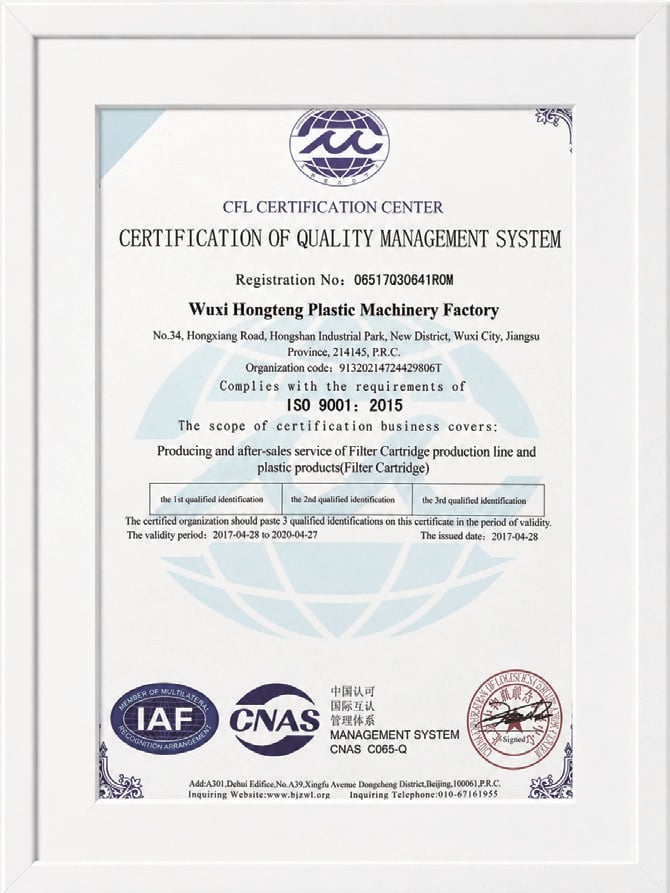
ISO Certified
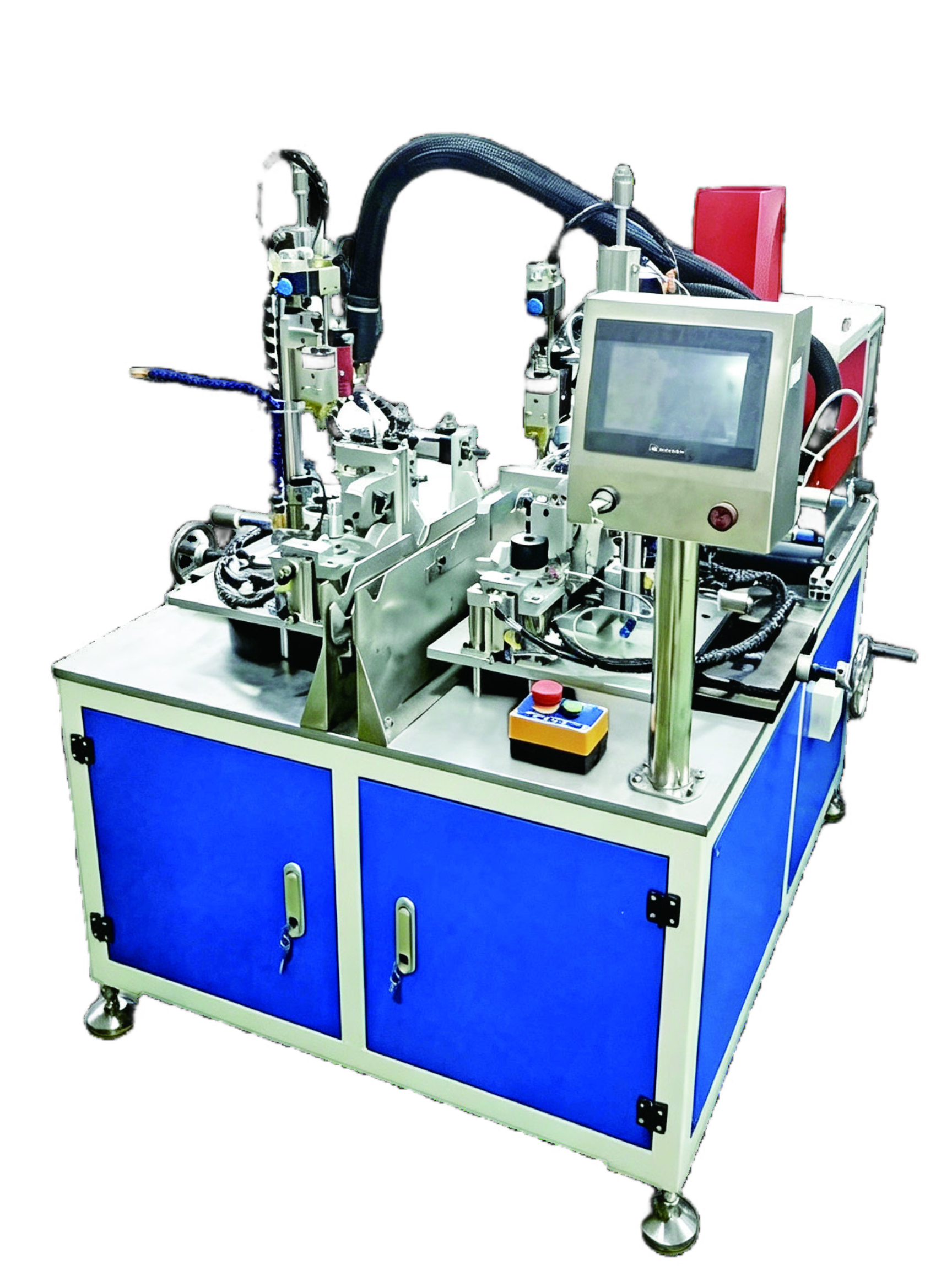
Filter Cartridge End Cap Gluing Machine
Filter Cartridge End Cap Gluing Machine by UDMachine
A filter cartridge end cap gluing machine must be specified by your actual cartridge, filter cap, joining route and targeted output—not by a generic speed claim. We verify the cartridge and end caps, then whether the requested function is adhesive dispensing, capping, or heat welding, and then set the equipment boundary for quotation.
- Sample-led configuration
- Bonding route checked before quote
- FAT boundary defined
- One Blocksy enquiry path
Price, MOQ, Payment, and Delivery Terms at a Glance
Configuration-based quotation
Price is confirmed against the approved machine and tooling scope.
MOQ: confirm in quotation
Order quantity is agreed for the selected configuration.
Lead time: confirm after approval
The schedule is set after technical and commercial review.
Payment and delivery: confirm in contract
Terms, named place and release conditions are agreed before order.
CAPABILITIES
End-Cap Bonding and Assembly Capabilities
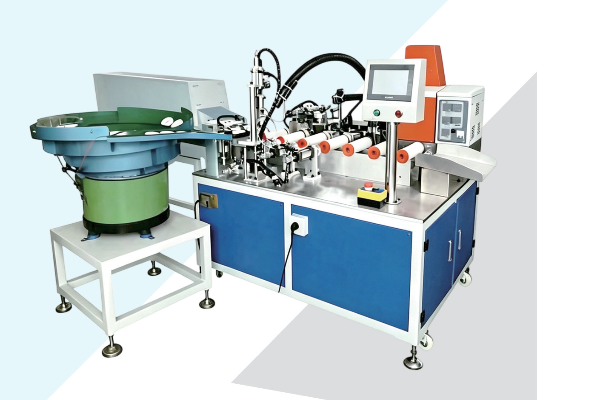
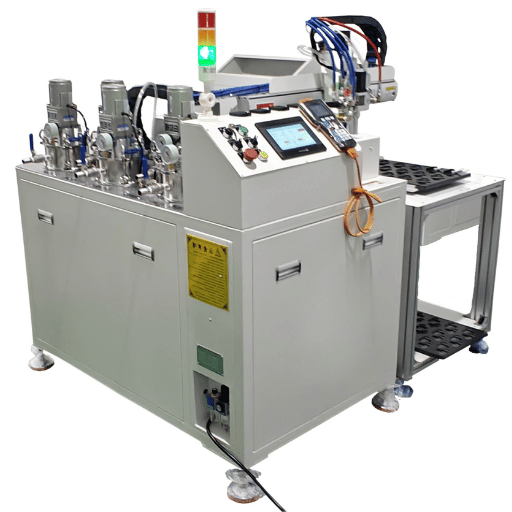
The exact joining mechanism is confirmed during configuration review. The brochure names a full-automatic gluing and capping machine, while its detailed sequence describes carbon-rod ejection, non-woven fabric wrapping, heat welding and automatic product discharge; that language cannot be treated as proof of a glue tank, mixing head or metered compound system. Public patent history confirms that adhesive deposition and alternative thermal routes are distinct process families.
Part Presentation
Our review maps how the filter cartridge and end cap arrive at the station, how orientation is controlled and which surfaces can be clamped. This prevents a fixture from masking cartridge variation or damaging the media.
Joining Operation
The approved route is frozen before manufacture: dispense an adhesive, place a cap, perform a thermal step, or integrate a defined combination. “Filter end cap gluing” and “end caps gluing” are not used as shortcuts for unverified chemistry or hardware.
Part Release
Discharge condition and the next buyer handoff are defined during review. Automatic discharge can be discussed for the documented full-automatic line, while buffer size, inspection and downstream convey responsibility remain project items.
Engineering judgment: a visibly even bead is not the same as a continuous seal, and a strong bond is not automatically the same as finished-filter efficiency. The acceptance plan must observe both the machine action and the application-specific filter result.
Cartridge, End-Cap, and Process Inputs
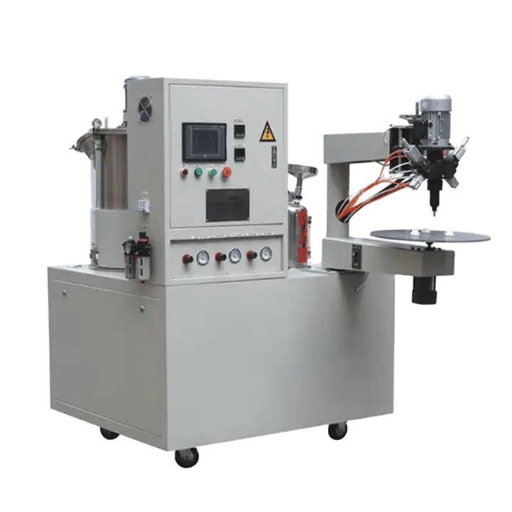
Cartridges with the same nominal dimensions can still have different end-cap housings, edge profiles and surface finishes. Provide production-component specifications instead of choosing a filter gluing machine from a catalogue photograph alone.
Cartridge Construction
Identify carbon block, pleated filter media, melt-blown PP, wire-wound or another structure. Include the core, outer layer, filter paper or fabric edge that reaches the cap.
Dimensions and Variation
Provide outside diameter, inside diameter where relevant, overall length, end squareness and tolerances by SKU. Send both approved and rejected samples so the fixture is not designed around one ideal part.
End-Cap Geometry and Material
Supply the cap drawing, cavity depth, center feature, gasket features, resin or metal grade, coating and surface preparation. “Plastic” or “metal” is not a sufficient specification for bonding.
Adhesive or Thermal Route
For glue, provide the TDS and SDS, viscosity window, mix ratio if applicable, pot life, open time, cure conditions, cleaning method and storage limits. For welding, provide the materials, thermal window and accepted joint sample.
Output Definition
State the required good cartridges per time window, not only gross cycles. Define reject categories, planned changeover pattern, inspection frequency and downstream accumulation.
Plant and EHS Inputs
Confirm voltage, frequency, available compressed air, ventilation, ambient range, maintenance access and chemical-exposure controls. These inputs influence the motor, heater, controls, enclosure and safe cleaning plan.
Bonding Methods, Automation Options, and Changeover
Public filter manufacturing references describe adhesive potting, single-component and two-component routes, hot melt application, solvent bonding, heat plunging, ultrasonic joining and spin welding. These are alternative process families, not a checklist of guaranteed UDMachine functions.
| Route or automation choice | Input that governs selection | Hardware or process question | Evidence needed |
|---|---|---|---|
| Single-component adhesive | Viscosity, temperature, cure and shelf life | Feed, tank or package interface, valve, hose and cleaning | TDS/SDS plus dispense trial |
| Two-component adhesive | A:B ratio, component viscosity, pot life and filler | Meter, mix, purge, retained volume and ratio verification | Material lot and mixed-bead acceptance |
| Hot melt adhesive | Application temperature, open time and service exposure | Melting, heated path, burn protection and shutdown practice | Adhesive supplier data and bonded sample |
| Thermal welding | Compatible polymers, heat window and joint geometry | Heat source, pressure, dwell, cooling and distortion control | Approved joint and destructive/functional test |
| Semi-automatic handling | Operator loading, placement and release tasks | Ergonomics, guarding and repeatable part location | Full operating sequence and cycle observation |
| Full-automatic handling | Feeding, discharge, fault recovery and line interfaces | Buffer, sensors, controls and intervention points | Scope diagram, interface list and FAT run |
Changeover rule: the SKU matrix must show which adjustments are recipe settings, which require change parts and which require cleaning. A rotary fixture, turntable or automatic feed is valuable only when the shortest planned run remains economical after those tasks.
Verified Technical Specifications
The table below is limited to the documented full-automatic brochure configuration. The engineering review keeps the heading and detail-text conflict visible and does not use competitor values to fill the missing rows.
| Specification | Documented value | Scope / Purpose |
|---|---|---|
| Base Scope | Automatically pack and weld the external part of a carbon rod | Brochure wording for the shown full-automatic configuration |
| Rated voltage | AC 220 V | Shown configuration only |
| Rated frequency | 50 Hz | Shown configuration only; confirm destination supply |
| Rated power | 2000 W | Shown configuration only |
| Control system | PLC + HMI | Shown configuration only |
| Cartridge OD and length range | Set after sample and drawing review | Required before configuration release |
| Production speed and repeatability | Set with an agreed test window and reject rule | Required before FAT approval |
| Air, dimensions and machine weight | Set on the selected configuration sheet | Required for plant layout and import planning |
US project check: the U.S. power system operates at a nominal 60 Hz.[5] A 50 Hz brochure value does not ensure that the motor, heater, protection devices and control system are suitable for a 60 Hz site; final electrical ratings and documentation must be frozen for the destination against the machine electrical scope.
Quality Control and Acceptance
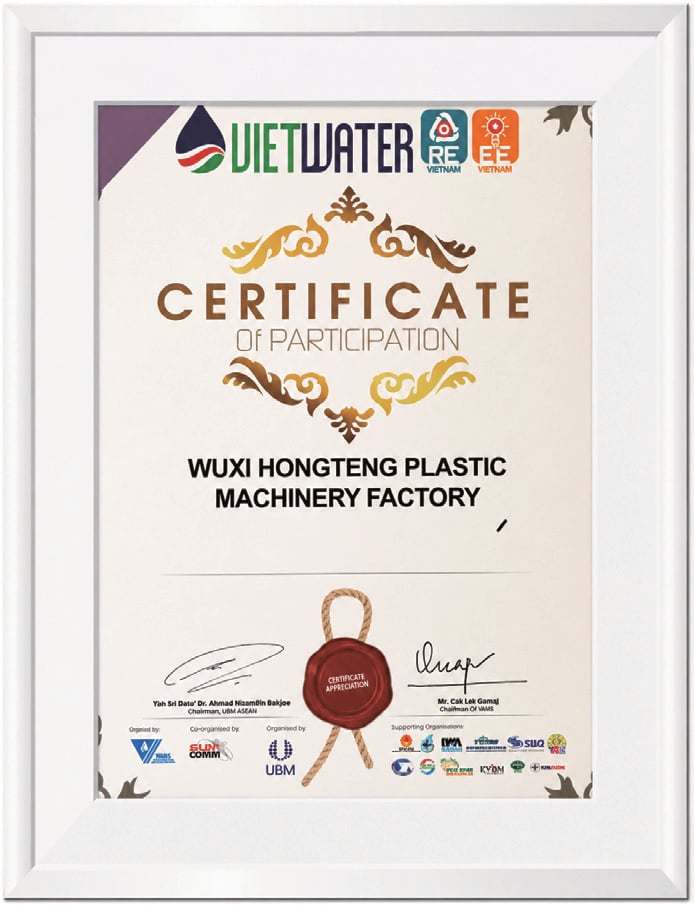
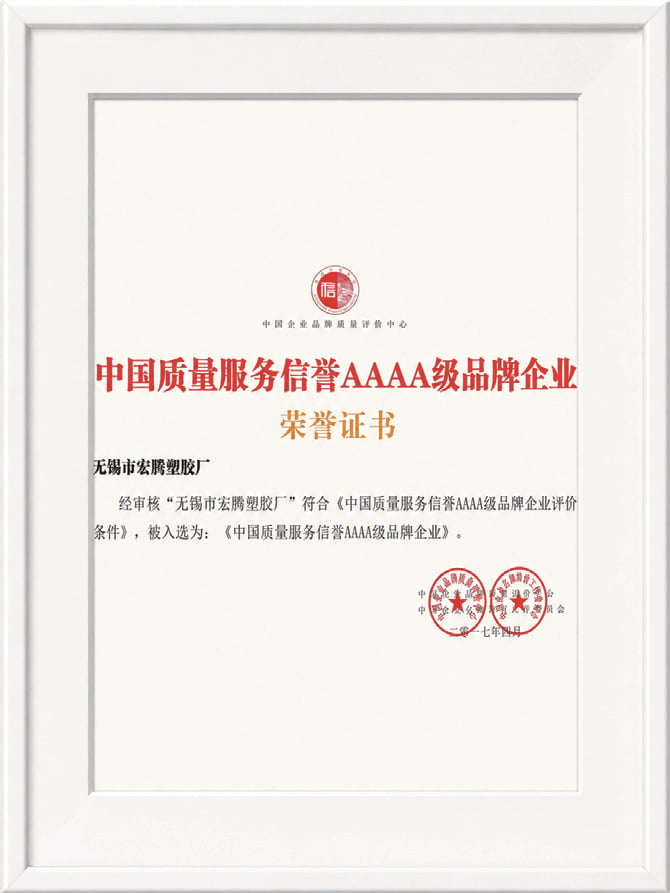
The acceptance plan turns the sales description into concrete verification steps. It begins with validating the buyer’s reference parts and recording the specified material lot, followed by a pre-shipment check and documentation of any variances. Reference samples and critical-defect definitions used for factory acceptance testing must remain consistent across every comparison.
Inspection can fail to transfer from factory to site because a machine sequence, a bonded joint and a finished filter answer different questions. UDMachine engineers build the FAT around the approved sample and measurable reject rules, while ISO 11170 keeps the finished-filter performance claim inside its named test conditions.


×
![Enlarged machine view]()
Machine Acceptance vs Finished-Filter Performance
| Evidence layer | What it can show | What it cannot prove by itself |
|---|---|---|
| Machine sequence | Feeding, positioning, joining and discharge follow the approved cycle | Long-term filter life or application compliance |
| Deposit or joint inspection | Placement, visible continuity and agreed dimensional result | Filtration efficiency, chemical compatibility or service-temperature life |
| Observed FAT run | Gross cycles, accepted cartridges, rejects, stops and interventions for the stated sample | Every future SKU, adhesive lot or production-line condition |
| Finished-filter protocol | Performance under the named standard or buyer test conditions | Other fluids, pressures, temperatures or duties outside that protocol |
Our release question is not whether the station moved once. It is whether the approved sample, material lot, sequence, accepted count and recorded exceptions all match the signed FAT basis.
UDMachine Engineering Team
Safety and Maintenance Acceptance Pack
- Point-of-operation, nip-point and moving-part guarding
- Guard interlocks and safe fault recovery
- Emergency-stop function and restart behavior
- Electrical ratings, overcurrent protection and protective bonding
- Energy-isolation points and lockout/tagout procedure inputs
- Adhesive SDS, ventilation, PPE and spill/cleaning method
- Access to nozzle, mixer, heated path or welding tooling for service
- Operating, cleaning and maintenance documentation
Why the split matters: ISO filter-element methods are scoped to particular filtration systems and test conditions. A machine trial is not a substitute for application qualification; the finished cartridge still needs the protocol required by its end use. The differentiator is a signed evidence boundary, unlike a single speed line presented as proof of the complete filter.
How We Work: Sample Validation, Configuration, and Delivery
Collect project information.
Provide cartridge and end-cap drawings, approved and rejected reference samples, adhesive TDS/SDS or welding parameters, the desired quantity of good products and site utility specifications.
Confirm the joining mechanism.
We assess whether the requested process involves adhesive dispensing, sealing, welding or another method, then identify material- and product-compatibility questions that must be resolved for approval.
Lock the configuration.
Both parties approve the product range, component compatibility, change parts, interfaces, utilities, required throughput, recipes, guarding, test method and final acceptance criteria.
Issue the quotation.
The proposed specification identifies the equipment and options, customer-supplied components, FAT scope, required documents, payment terms, delivery conditions and commercial items.
Manufacture after approval.
Production begins after the drawings, samples, utilities, FAT basis and order terms are approved.
Inspect and dispatch.
We complete the final equipment check, resolve open items and release the machine after the agreed inspection and commercial conditions are satisfied.
Twelve-field End-Cap Bonding RFQ Readiness Matrix
| RFQ field | Buyer supplies | Configuration decision |
|---|---|---|
| Final application | Fluid or air, temperature, pressure, duty and required approvals | Material and finished-filter test boundary |
| Cartridge type | Carbon block, pleated, spun, wound or other construction | Handling and joining family |
| Outside diameter | Drawing, tolerance and samples by SKU | Fixture and working range |
| Length | Drawing, tolerance and samples by SKU | Support, insertion and discharge |
| End-cap geometry | Cavity, center feature and gasket detail | Location, tooling and deposit path |
| End-cap material | Resin/metal grade, coating and surface state | Bonding compatibility and preparation |
| Joining method | Approved adhesive, welding or other route | Machine architecture |
| TDS/SDS or thermal window | Process limits and exposure controls | Feed, heat, cleaning and EHS package |
| Target good output | Time window, accepted count and defect limits | Cycle study and bottleneck review |
| Plant utilities | Voltage, frequency, air and ventilation | Electrical and utility configuration |
| Machine safety | Destination rules and plant acceptance checklist | Guards, interlocks, E-stop and isolation |
| Finished-filter acceptance | Application-specific test method and limits | Separate product-validation plan |
End-Cap Gluing Machine Planning & Evaluation Tools
End-Cap Bonding RFQ Readiness Scorecard
Mark the evidence already available. The score shows intake completeness; it does not predict machine fit, output or finished-filter performance.
End-Cap Station Good-Output Calculator
Enter observed trial data to normalize accepted output after downtime and changeover. The result describes only the run you enter; it is not a UDMachine capacity claim.
End-Cap Gluing Machine Quote Comparator
Enter your own quote values in one currency. This arithmetic exposes scope differences; it does not estimate market price, duty or freight.
Filter Cartridge End Cap Gluing Machine FAQ
It supports a defined joining step between a filter cartridge and its end caps. Depending on the approved process, that can involve part positioning, adhesive application, cap placement, a thermal operation and discharge; the exact sequence must match the selected configuration.
Send the cartridge construction, OD, ID where relevant, length, tolerances, media edge, cap drawing, cavity depth, cap material and physical samples by SKU. Include both good and rejected samples when variation is part of normal production.
That decision requires the actual TDS/SDS, viscosity, mix ratio, pot life, application temperature, cure, cleaning and substrate data. Compatibility is confirmed during the engineering review instead of promising every adhesive family.
Gluing introduces an adhesive or sealant between the cap and media; welding softens or fuses compatible materials through heat, friction, ultrasonic energy or another thermal route. The equipment, joint geometry and acceptance evidence differ, so the terms are not interchangeable.
The sellable range is set from the SKU drawings, samples, fixture concept and changeover plan. The supplied target-machine page does not list those numbers, so the quotation must state the approved range rather than borrowing a competitor’s diameter or length.
Define speed as accepted cartridges over an agreed net run time, with rejects, downtime, changeover, cure or dwell and operator interventions recorded. Use the good-output calculator to normalize the trial; the result belongs to the entered sample and conditions.
The brochure lists AC 220 V, 50 Hz, 2000 W and PLC+HMI. Destination frequency, electrical protection, compressed air if required, ventilation and all final ratings must be confirmed on the selected configuration sheet.
Yes. Send drawings, physical parts, the intended adhesive or welding input, target output and acceptance criteria so we can review the joining route and open configuration items before the quotation is finalized.
These commercial terms are confirmed in the quotation and order contract after the equipment configuration, tooling, inspection scope and destination are defined. Ask for the order quantity, production schedule, payment milestones, named place, freight scope and release conditions to be stated together.
Use the twelve-field matrix: application, cartridge type, OD, length, cap geometry, cap material, joining method, adhesive TDS/SDS or thermal window, target good output, plant utilities, machine safety acceptance and finished-filter acceptance.