Get in touch with Suzhou UDTECH Technology Co., Ltd. Company

ISO
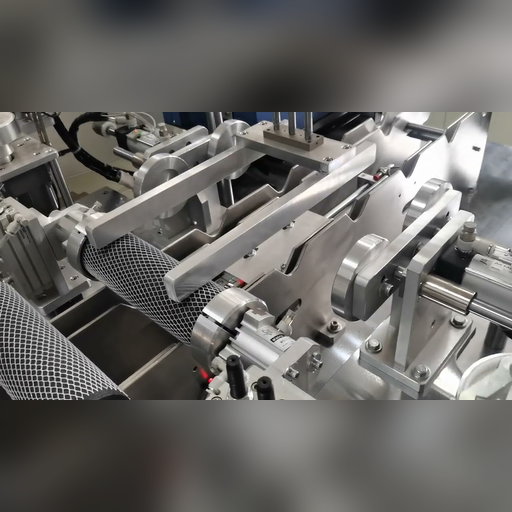
Carbon Block Filter Wrapping Machine
Full-Automatic Carbon Block Filter Wrapping Machine
- Built around your CTO block sample
- Wrapping scope defined before quotation
- Line handoffs reviewed by engineers
- FAT criteria agreed before manufacture
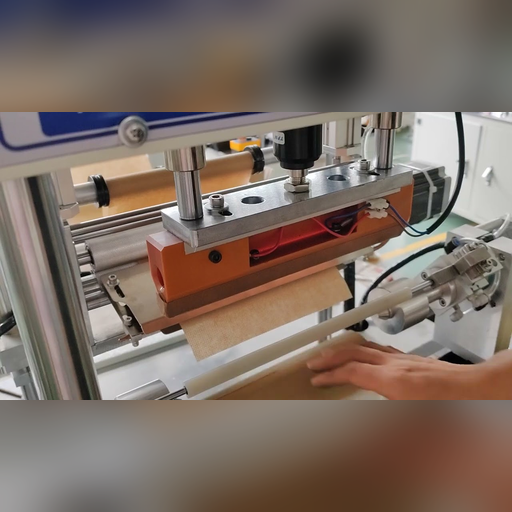
UDTECH supplies a dedicated carbon block filter wrapping machine for the CTO and activated carbon filter cartridge wrapping stage. Send the carbon block geometry, wrapping-media specification, finished sample and line layout; our team will establish the machine boundary, open technical points and acceptance plan before the configuration is quoted.
Send Your Project Requirements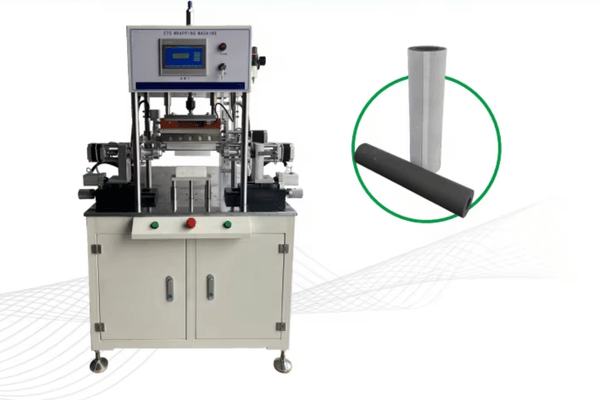
Focus stage
Wrapping molded CTO carbon blocks
Engineering input
Block sample, drawing and wrapping-media roll
Defined output
Wrapped carbon blocks ready for the agreed handoff
Project evidence
Configuration sheet, interface list and FAT plan
CTO
A Dedicated Wrapping Stage for CTO Carbon Block Filters
This machine type begins with a molded carbon block and ends with a wrapped block at a specified downstream handoff. It is not the upstream carbon block manufacturing machine, the end-cap gluing station or the final packing system.
CTO Wrapping Scope
The engineering review covers block presentation, wrapping-media feed, required coverage, seam or joining definition, cut or edge condition and finished-part transfer. Each function is confirmed against the selected configuration rather than inferred from the words “fully automatic.”
Production-Line Interface
Upstream supply and downstream assembly are mapped as separate interfaces. That prevents a fast wrapping station from being limited by manual loading, unstable transfer, inspection queues or a slower capping step.
“A wrapping project is only ready to quote when the incoming block, the wrapping result and both line handoffs are defined on the same sheet.”
— UDTECH Engineering Team
— UDTECH Engineering Team
CTO Wrapping Scope and Interface Matrix

| Stage | Buyer target | Evidence to close |
|---|---|---|
| Molded block input | Stable geometry and handling condition | Drawing, samples and incoming-condition photos |
| Wrapping stage | Defined media, coverage and joining result | Media specification and approved wrapped sample |
| Wrapped-block output | Accepted edge, seam and surface condition | Inspection method and reject examples |
| Capping or assembly | Compatible clearance and transfer | Downstream fixture and interface data |
| Final packing | Protected, traceable cartridge flow | Packing boundary and accumulation plan |
Carbon Block and Wrapping-Material Inputs
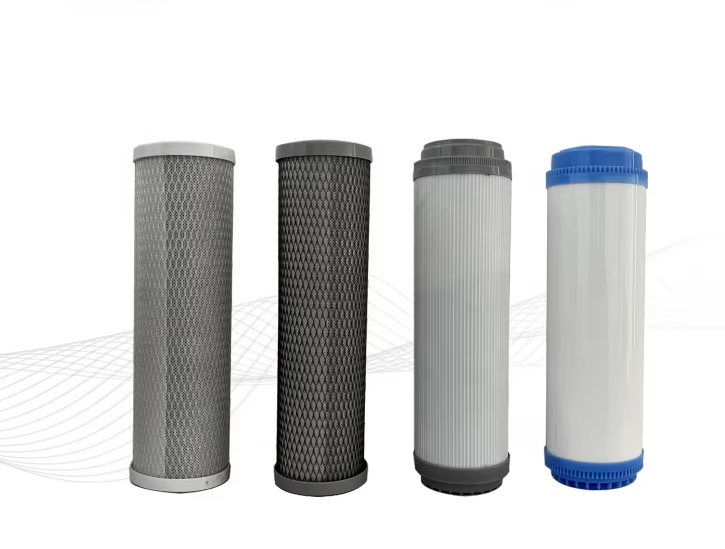
A carbon filter cartridge is not characterized by nominal length alone. The supplier needs the actual block, production roll and approved wrapped sample because diameter variation, surface fragility, media stiffness and roll format may impose feeding and handling constraints.
CTO Carbon Block
Submit outside diameter, inside diameter, overall length, end-face condition and the SKU range. Include chipped, dusty or fragile samples if those conditions occur in production.
Wrapping Media
State the material, thickness, width, roll outside diameter, core size, winding direction and splice policy. If nonwoven or another filtration layer is specified, provide its datasheet and a production roll.
Coverage and Seam
Provide the required layer count, overlap or seam position, end clearance and joining acceptance. A photo is useful, but a signed sample or drawing carries the release decision.
Another Cartridge Format
If the product is a granular carbon cartridge, pleated water filter, melt-blown element or wire-wound cartridge, send the sample first. It may require different filter machinery instead of this wrapping machine.
Wrapped Cartridge Output and Line Handoffs
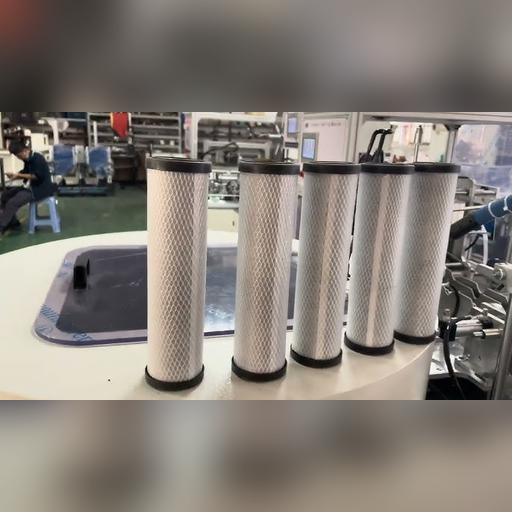
The intended output is not merely “a wrapped article.” It is a carbon filter cartridge that passes the written release rule and reaches the next station without damage, uncontrolled carbon fines or avoidable handling.
| Control Point | Scope to Freeze | Acceptance Evidence |
|---|---|---|
| Coverage | Layer count, overlap, exposed areas and end clearance | Approved sample plus visual limit |
| Joining or seam | Position, continuity and permitted appearance | Close-up images and pass/fail samples |
| Cut and edge | Loose fiber, tails, distortion and block damage limits | Inspection checklist |
| Transfer | Orientation, pitch, height and buffer responsibility | Interface drawing and line video |
| Downstream assembly | Cap clearance, adhesive area and handling surface | Assembly trial with the buyer’s components |
SPECIFICATION
Machine Configuration and RFQ Specification Matrix
Use one line per SKU when values differ. This table is contractual: it shows what the purchaser will provide and what UDTECH must verify before the filter machine configuration is released.
| Specification | Minimum RFQ entry | Supplier confirmation |
|---|---|---|
| Carbon block outside diameter | 1 value in mm (in) per SKU | Supported range and change parts |
| Carbon block inside diameter | 1 value in mm (in) per SKU | Mandrel or handling clearance |
| Carbon block length | 1 value in mm (in) per SKU | Supported length and changeover method |
| Media thickness and width | 2 values in mm (in) plus tolerance | Feed path and adjustment range |
| Roll outside diameter and core | 2 dimensions in mm (in) | Unwind capacity and loading method |
| Coverage or seam rule | 1 approved drawing or sample per format | Controllable method and inspection point |
| Target accepted output | 1 time window, good count and reject rule | FAT measurement method |
| Line interfaces | 2 handoffs: upstream and downstream | Transfer boundary and responsibility |
| Site utilities | 1 electrical schedule plus available air data | Final utility list for selected configuration |
Configuration-Based Quotation and Project Timing
Pricing depends on block range, number of SKUs, media handling, coverage or joining process, changeover scope, controls, safety package, line integration, documentation, FAT and delivery scope. UDTECH prepares the quotation once the input matrix is approved; no generic list price or lead time replaces that configuration review.
01 Product range
Why it changes scope: Different diameters, lengths and surfaces can require change parts or handling changes.
How to make quotes comparable: List every launch SKU and forecast changeover pattern.
02 Wrapping definition
Why it changes scope: Layer, overlap, seam, cut and edge requirements determine the process route.
How to make quotes comparable: Attach the approved sample and release limits.
03 Automation boundary
Why it changes scope: Loading, replenishment, discharge, inspection and fault recovery can sit inside or outside the machine scope.
How to make quotes comparable: Mark every touchpoint in the scope normalizer.
04 Acceptance and handover
Why it changes scope: Trial material, test duration, documents, training, spares and site support affect project work.
How to make quotes comparable: Use the same FAT and delivery-boundary sheet for every bidder.
Performance vs. Reality
Faster line speed does not necessarily increase accepted output. A common assumption is that fully automatic covers every handoff, yet the cheapest quoted machine is not always the best fit when interface and FAT scope differ.
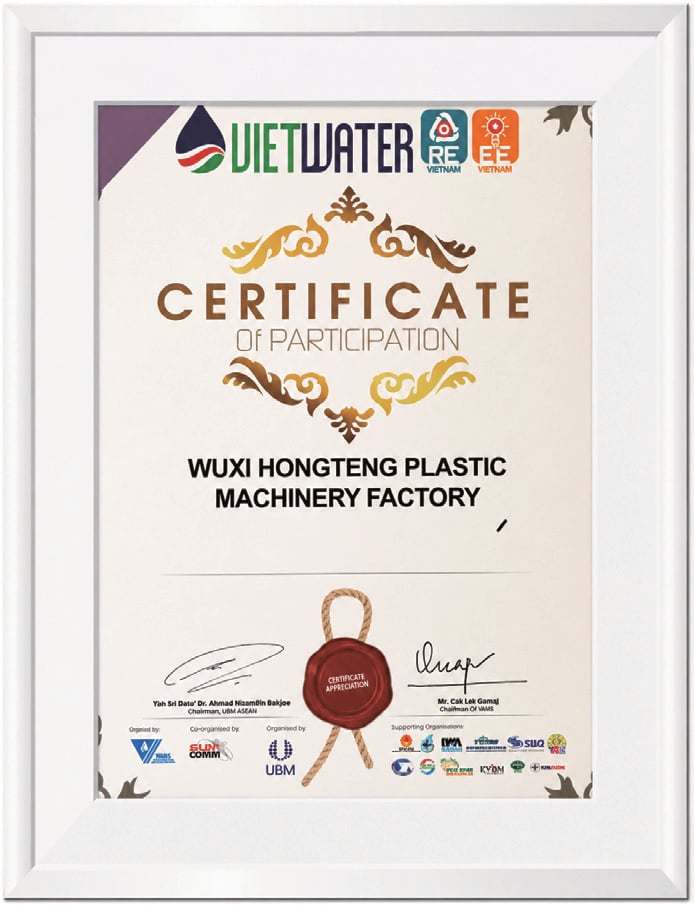
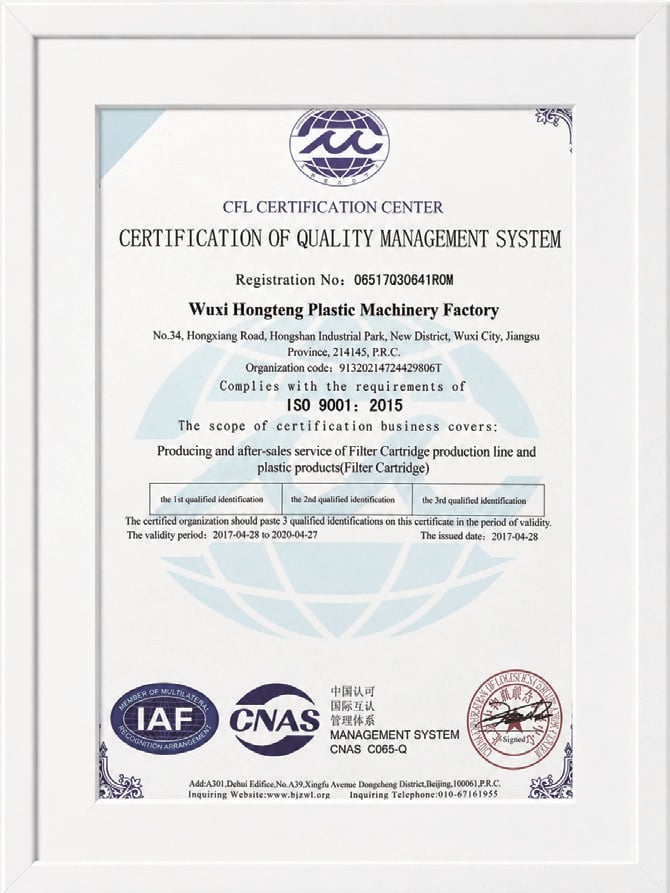
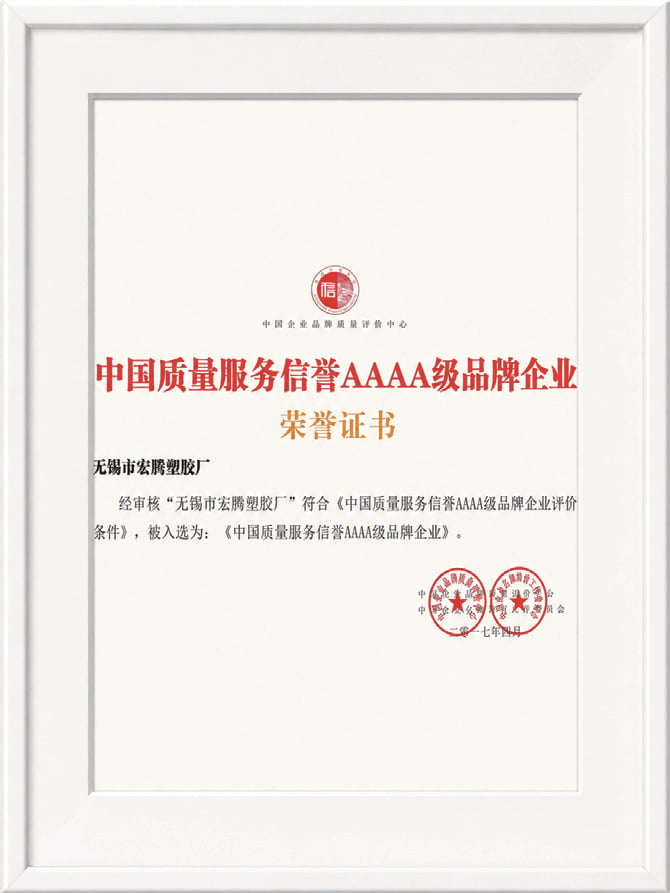
Quality Controls and Machine Acceptance Evidence

×
From Cartridge Samples to Production Handover
Provide the product pack:
give drawings, acceptable and rejected blocks, the wrapping roll, approved wrapped samples and the line layout.
Verify the scope:
UDTECH defines the wrapping operation, operator touchpoints, changeovers, utilities, safety evidence and upstream/downstream interfaces.
Sign off the configuration:
the quotation lists included equipment, optional features, purchaser-supplied parts, FAT scope, delivery scope and technical assistance.
Confirm the acceptance plan:
both parties endorse the trial material, measurement window, reject rule, records and deviation procedure before the machine is finished.
Test and record FAT:
the test documents accepted output, rejects, interventions, stops, changeovers and handoff condition.
Handover the project:
deliver the document set, training, spare-parts plan and installation task list, then check open deviations against the order.
UDTECH Filter-Equipment Manufacturing Capability
Suzhou UDTECH Technology Co., Ltd. specializes in R&D and manufacturing of filter production equipment, including PP melt-blown filter production lines, CTO activated-carbon filter production lines and wire-wound filter machines. Its facilities include a 6,000 m² standardized workshop, and the company has supplied equipment to customers in more than 55 countries.
This page remains focused on the wrapping stage. The wider manufacturing record supports project delivery, while the ordered machine’s configuration, safety file and FAT results provide the product-specific proof.
When a Wrapping Machine Is Not the Required Process
Searches for “filter cartridge machine,” “filter cartridge manufacturing machine,” “filter making machine” or “filter cartridge making machine” sometimes combine multiple stages. Water treatment manufacturers should define the cartridge type, desired finished product and process boundary before choosing production equipment.
The stages are not interchangeable. A wrapping machine is not a substitute for block molding, capping or final filter cartridge packing; choosing the wrong process adds transfer work and reduces usable line capacity.
That trade-off becomes visible at the handoff: the wrong choice buys you an isolated automatic station but costs you throughput when the surrounding stages cannot accept its output.
Required Result
Why Wrapping Is The Wrong Boundary
Better Route
Form the activated carbon block
Powder preparation, mixing, extrusion or molding happens before wrapping.
Specify the CTO carbon block production line.
Glue and fit end caps
End-cap dosing, placement and curing are assembly operations.
Specify a gluing and capping machine.
Pack the completed cartridge
Protective bagging, sealing or shrink packing starts after assembly.
Specify the final packing process.
Make another filter element
Melt-blown, wound or pleated filter cartridges use different forming machinery.
Start from the filter media and finished-element sample.
Carbon Block Wrapping Machine Engineering Tools
Carbon Block Wrapping Project Input Check
Mark the evidence already available. The result shows whether an engineering configuration can start; it does not estimate machine performance.
Access Tool →Carbon Block Wrapping Machine Scope Normalizer
Mark whether each supplier’s quotation closes the same scope. Completeness is not a supplier rating; it identifies open rows that can hide cost or integration work.
Access Tool →Carbon Block Wrapping Machine FAT Acceptance Planner
Enter observed trial data to normalize accepted output. This arithmetic describes the test you enter; it is not a UDTECH machine capacity claim.
Access Tool →Carbon Block Filter Wrapping Machine FAQ
It sits after the activated carbon block has been formed and before the agreed capping, assembly or packing handoff. Treat those as separate machines or interfaces when the production line is quoted.
The label alone does not close that question. Ask for an uncut operating sequence and mark loading, roll replenishment, normal discharge, fault recovery, cleaning and both line handoffs in the scope sheet.
Fit is reviewed from at least 1 dimensioned SKU record, physical block samples, the production wrapping roll and an approved finished sample. The ordered range is then written into the configuration.
Submit the exact media specification and a production roll. Material name alone is insufficient; the review also needs thickness, width, roll OD, core, winding direction, splice policy and the required coverage or seam.
Use 1 agreed run window and count accepted output, rejects, stops and operator interventions. Do not compare gross cycles when the acceptance rule or downstream handoff is different.
Define the incoming block condition and the accepted wrapped output with photos or samples. FAT should record block damage, loose material, edge condition and the inspection point before downstream assembly.
Freeze the sample and media lot, test instructions, expected result, reject categories, planned stops, intervention log, measurements, photos or video and signed deviation list. ISA-105 provides a structured FAT/SAT/SIT framework.
Request the risk assessment, guard/interlock schedule, emergency-stop description, energy-isolation points, electrical drawings and operating instructions. ISO 12100, ISO 14119, ISO 13850 and IEC 60204-1 are useful review references.
Provide the 9 RFQ rows above, physical samples, wrapping roll, line layout, destination, desired delivery boundary and FAT scope. UDTECH can then separate included configuration from buyer-supplied items and options.