Get in touch with Suzhou UDTECH Technology Co., Ltd. Company

Filter Cartridge Production Planning for a Quote-Ready Project
Filter cartridge production planning turns an early factory idea into an engineering specification that a machinery provider can review. UDTECH defines the intended cartridge, route assumption, capacity assumption, facility inputs, supply boundary and acceptance evidence before a line configuration is benchmarked.
- Route-neutral intake
- Same-basis capacity review
- Facility and scope boundaries
- Acceptance evidence plan
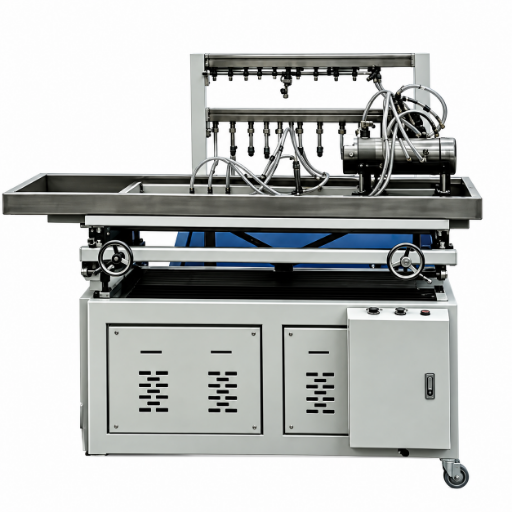
REQUIREMENTS: Best starting point: bring one priority SKU, its drawing or dimensional schedule, the target market, a build schedule and the operations you expect inside the line. Unknowns can stay open, but each needs an owner.
Production Plan Readiness Map
Buying the primary machine first creates a predictable failure. The quotation becomes a set of assumptions; every supplier makes different assumptions. Our Production Plan Readiness Map identifies each assumption before a line selection.
Lock the cartridge dimensions, cylindrical form, end cap interface, housing fit, filter media, micron rating, intended fluid and target contaminant. A sample alone is not enough when the drawing, tolerance basis or performance claim is missing.
Match the filter element to PP melt-blown depth filtration, CTO carbon block or wire-wound construction. A pleated filter, membrane filter, glass fiber element or sintered filter needs a separate route review rather than a forced fit.
Define SKU mix, build schedule, flow through each operation, changeover, planned stops, scrap and the downstream boundary. This turns a headline speed into a production scenario.
Record electricity, compressed air, ventilation, cooling, drainage, material storage, floor access and environmental controls. CTO activated-carbon work also needs the actual safety data sheet and a local hazard owner.
Mark feeding, forming, cutting, assembly, inspection, printing, packing, utilities and off-line work as included, buyer-supplied or separately sourced. The handoff points reveal labor and interface risk.
Write the trial material, SKU, run duration, sample size, measurement method, records and decision owner. Keep machine acceptance separate from final water filtration or contaminant-reduction validation.
“A useful request for quotation does not hide unknowns. It names each unknown, shows who closes it and states which decision cannot proceed until it is closed.”UDTECH Engineering Team
The route decision record
For each type of filter, the record should name the physical transformation that forms the element, the materials that enter it and the evidence that releases it. That distinction prevents a familiar planning error: treating every cylindrical filter as if the same heating, winding, extrusion, pleat or sealing process could make it.
- Product: geometry, media, core, cap, seal and intended service.
- Process: forming, joining, cutting, inspection and pack-out sequence.
- Boundary: what is connected, what remains off-line and what the site supplies.
- Release: machine evidence, finished-product evidence and decision owner.
Cartridge and Media Inputs by Production Route
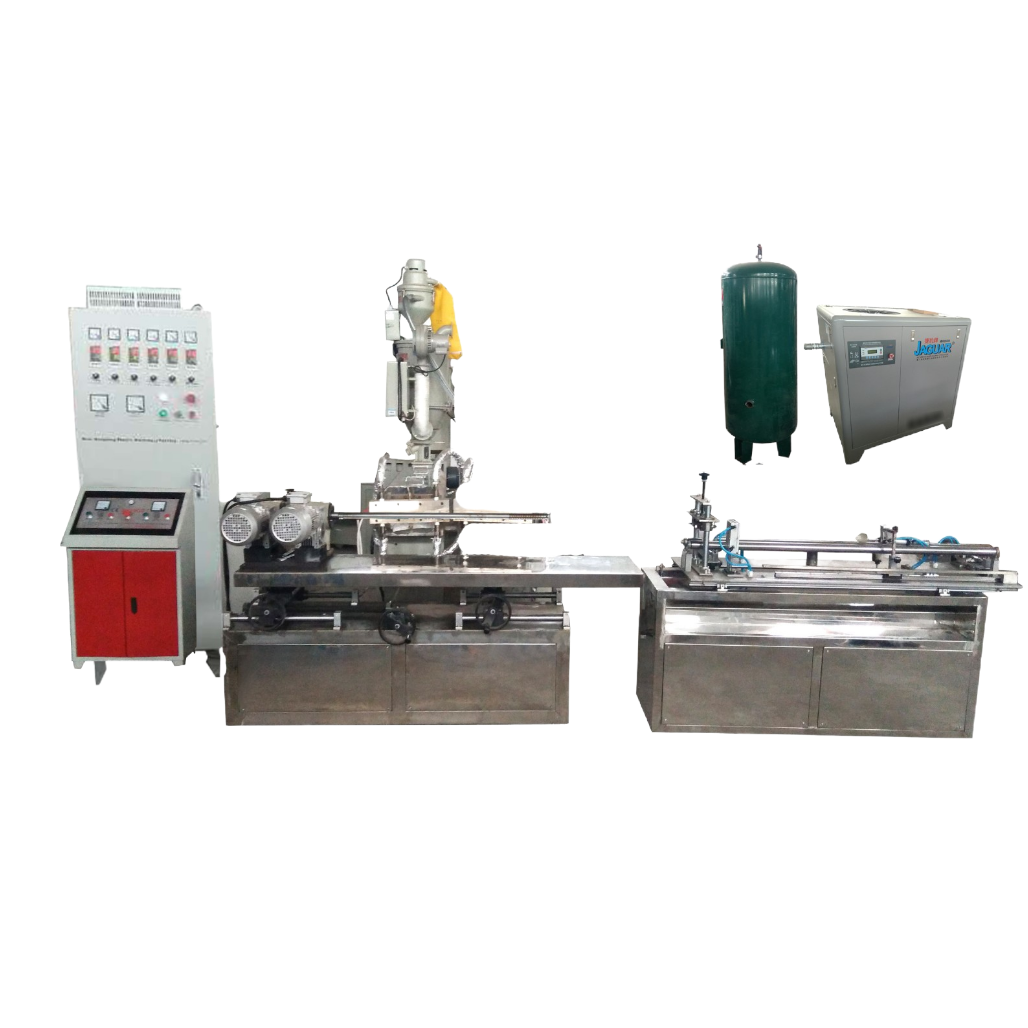
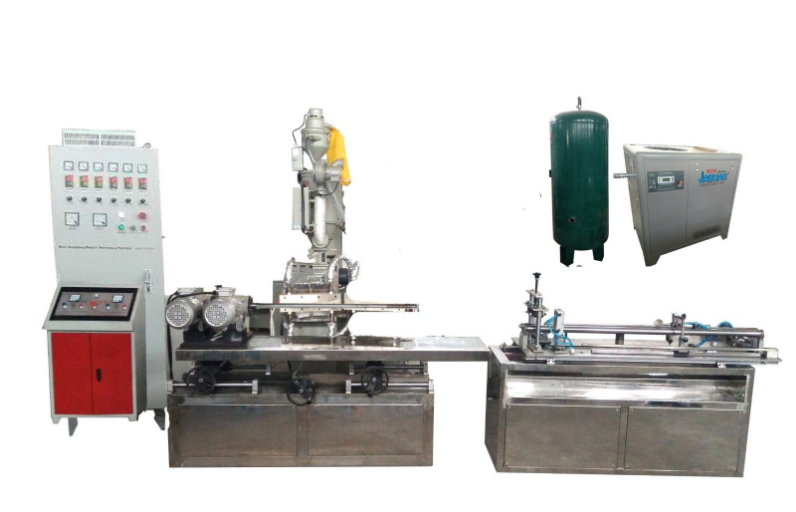
Route selection starts with the finished filter cartridge, not with a generic machine label. We produce PP melt-blown filter production lines, we produce CTO activated-carbon filter production lines, and we produce wire-wound filter machines; the configuration still follows the product definition supplied for the project. These three production routes are not interchangeable.
| Planning route | Product inputs to define | Process questions to close | Separate intent page |
|---|---|---|---|
| PP melt-blown | Polypropylene grade, cartridge diameter and length, target micron range, gradient or uniform pore structure, end treatment and core requirement | Extrusion basis, forming recipe ownership, cutting, thermal joining, filter element handling and packing boundary | PP melt-blown production-line details ↗ |
| CTO activated carbon | Carbon and binder specification, particle size, bulk density, cartridge geometry, end cap or wrapper, pressure drop and intended water treatment claim | Feeding, dust containment review, heating, forming, cooling, cutting, wrapping and test ownership | Compare production-line families ↗ |
| Wire-wound | Yarn material, core, winding pattern, length, outer diameter, micron rating, compatibility with the process fluid and packaging | Tension control, traverse pattern, cut-off, changeover, core supply and inspection method | Review the parent equipment category ↗ |
| UDF tube preparation | Tube material, diameter, length, interface and downstream assembly requirement | Extrusion scope, cutting, transfer and relationship to the finished cartridge line | UDF tube-making equipment ↗ |
Adjacent filter types stay outside the default route
Pleated filter cartridges, a pleated cartridge with membrane media, cross-flow filtration products, nylon mesh, polytetrafluoroethylene membrane, bag filter or baghouse components do not inherit a PP, CTO or winding configuration. Their pleat geometry, porosity, sealing, resin, pump interface, particulate loading and differential pressure require a separate machine and process review.
Application labels do not choose the machine
A high flow cartridge for process filtration may serve industrial water treatment, food and beverage production or another high-performance fluid duty, yet those application labels do not define its manufacturing route. The process fluid, required compatibility and finished-filter test method must come from the buyer’s product specification.
Capacity Assumption Register
Published machine speed cannot be compared until the cartridge filter product mix, build schedule and bottleneck are on the same basis. NIST’s work on multi-job serial lines shows that throughput and bottlenecks change with product mix because each job places a different load on the serial system, creating a comparison risk when suppliers assume different schedules. A single best-case cycle time is not a production plan, and machine speed is not a substitute for a documented capacity basis.
Planning input
Minimum recorded basis
Why the number matters
1. Priority product
At least 1 nominated SKU with diameter, length, media and end configuration
Different cartridge construction changes process time and the active constraint.
2. Build schedule
1 stated shift pattern with planned minutes per shift and working days
Calendar time is not run time; planned cleaning and changeover consume the schedule.
3. Product mix
Share of planned units for each SKU, totaling 100%
A high-mix schedule can move the bottleneck and change realized output.
4. Process rate
Units or length per minute for every included station, under the named SKU
The slowest required operation limits the connected line.
5. Loss factors
Availability, speed factor and first-pass yield entered as 0–100%
Stops, reduced speed and rejects reduce saleable production through different mechanisms.
6. Changeover
Minutes per product or material change and the planned number of changes
Changeover belongs in the production calendar even when the equipment is healthy.
7. Buffer and downstream
Capacity of each finite buffer plus the rate of inspection and packaging
A fast forming machine can feed a slower packing or test operation.
8. Output statement
Gross units, saleable units and the stated time basis shown separately
Three labeled figures are easier to compare than one unqualified capacity claim.
Hidden calendar loss: changeover time can disappear from an attractive output figure even though it consumes production time. The trade-off becomes visible only when SKU sequence and change frequency are included beside the headline rate.
Project Cost and Schedule Drivers
Line price depends on the product route, capacity assumptions, automation boundary, utilities, inspection, packaging, installation and acceptance scope. We convert those factors into a written configuration and quotation rather than delivering a fixed price for an undefined project.
Cost drivers to expose before comparison
Driver
What changes
Buyer control
SKU range
Tooling, recipe count, change parts and changeover work
Nominate launch SKUs and separate future options.
Automation boundary
Conveying, loading, inspection, rejection, printing and packing interfaces
Mark every manual touchpoint and decide which phase owns it.
Capacity basis
Station count, buffer, redundancy and downstream sizing
Compare scenarios using the same schedule and loss assumptions.
Facility scope
Utility preparation, ventilation, drainage, dust review, access and layout work
Supply site data before the layout and installation plan is frozen.
Acceptance package
Trial material, duration, samples, instruments, records and witness points
Define evidence and decision rules before the factory trial.
Schedule logic
The project schedule is built from engineering review, configuration signoff, manufacturing, factory acceptance, packing, transit, site installation, commissioning and start-up. A date is only meaningful after the trigger for each activity and the interface responsibility for every hand-off are written into the project schedule.
Send the nominated SKU, target schedule, site inputs and acceptance needs through the UDTECH planning request; the first review should identify open decisions, not conceal them.
Acceptance Evidence for Equipment and Finished Cartridges
A machine test and a finished-cartridge claim address different questions. Our acceptance plan verifies whether the agreed equipment scope runs the specified test, but the buyer's product-validation plan addresses the intended filtration system, housing, process fluid and market needs.
- Approved machine and supply-boundary list
- Named trial material and nominated cartridge
- Safety, controls and alarm checks within the agreed scope
- Run conditions, samples, reject handling and recorded observations
- Open-item list with owner and closure evidence
- Material safety for the intended contact and market
- Structural integrity in the intended filter housing
- Micron rating, pressure drop, flow rate and dirt-holding capacity under a defined method
- Claim-specific contaminant or microorganism reduction evidence
- Packaging, labeling and traceability required for release

NSF explains that standards such as NSF/ANSI 42, 53 and 401 include material safety, structural integrity and specific contaminant-reduction testing. A factory acceptance test can pass while material safety, structural integrity and contaminant-reduction claims remain unvalidated. Equipment acceptance is not a substitute for finished-product validation.
“Check quality” is not an acceptance item. “Record the nominated cartridge dimensions with the agreed gauge, sampling rule and file name” identifies the object, method, population and record that a decision owner can review.
Observation:
machine state, alarm, interlock or operator action.
Measurement:
characteristic, unit, method and instrument owner.
Sample:
SKU, material lot, quantity and selection point.
Decision:
acceptance rule, responsible party and closure record.
NOAA CAMEO reports that activated carbon may heat spontaneously and that its dust can be explosive when exposed to heat or flame. The planning response is to route the actual material specification, safety data sheet, dust form and local rules to the buyer’s environment, health and safety owner; this page does not prescribe a control design.
QUALITY CONTROL STATEMENT
Project-level evidence still governs: we use a rigorous full-process quality control system. That company-level process supports disciplined machinery delivery, while each project still needs its own written acceptance objects, methods and ownership.
From Factory Idea to Engineering Review
Suzhou UDTECH Technology Co., Ltd. plans filter equipment projects from product inputs through configuration and technical handoff. We integrate independent research and development with production, we handle domestic sales and global export, and we provide technical after-sales services.


Define the product.
Provide the priority filter type, shape, filter media, end interface, target application and performance claims that require validation.
Select the route.
Separate PP melt-blown, CTO activated carbon, wire-wound and adjacent filter types before machinery is grouped into a line.
Normalize capacity.
Put every option on the same SKU mix, build schedule, process rate, loss and downstream basis.
Map the site.
Capture utilities, footprint, access, storage, environmental controls and the local owner for compliance decisions.
Fix the boundary.
Document equipment, tooling, material, off-line work, installation, training, inspection and packaging roles.
Write acceptance.
Specify the trial, acceptance evidence, witness points, decision criteria and open-item closeout prior to ordering.
Filter Cartridge Production Planning Tools
Filter Cartridge Production Planning FAQs
Which inputs should be ready before I request a production-line quotation?
Start with one nominated cartridge, drawing or dimension schedule, media specification, target application, SKU mix, build schedule, facility data, desired supply boundary and acceptance needs. The planning brief can mark an input as open, but it must identify an owner.
How should I compare production capacity from different suppliers?
Normalize every figure to the same SKU, product mix, planned minutes, changeovers, availability, speed factor, yield and downstream boundary. Compare gross output and saleable output separately.
Does a fully automatic line remove every operator?
No. Feeding, replenishment, sampling, inspection, changeover, reject handling, packing and maintenance may still need people; the quotation should mark each touchpoint and its staffing owner.
Can one line make PP melt-blown, CTO and wire-wound cartridges?
These routes use different material handling and forming mechanisms, so they should not be treated as one generic process. UDTECH reviews PP melt-blown, CTO activated-carbon and wire-wound requirements as separate configuration paths within the wider factory plan.
What does a factory acceptance test prove?
It proves only the items written into the agreed equipment protocol under the named trial conditions. It does not automatically prove NSF/ANSI 42, 53 or 401 material, structural or contaminant-reduction requirements for a finished filter.
Which numbers belong in a capacity assumption register?
Record the scheduled minutes, rate of each required station, number of changeovers, changeover minutes, availability, speed factor, first-pass yield, buffer capacity and downstream rate. Keep the original assumptions beside the result.
How should activated-carbon dust affect CTO factory planning?
Route the actual carbon grade, particle size, safety data sheet, transfer method and local requirements to an environment, health and safety review. The equipment plan should show interfaces and ownership without substituting a generic web checklist for a site-specific hazard analysis.
Should membrane, pleated or glass-fiber cartridges use this same planning route?
The intake method still helps, but the machinery route is different. Pleating, membrane handling, sealing and media compatibility need their own process definition and supplier review.
How is the price of a filter cartridge production project built?
Price follows the selected process, number of SKUs, capacity basis, automation boundary, tooling, utilities, inspection, packaging, installation and acceptance scope. Submit the planning brief for a project-specific quotation.
What should remain after the first engineering review?
You should have a route decision, a list of accepted assumptions, an open-item register, a preliminary supply boundary, facility inputs and an acceptance outline. Those objects make later machine and quotation comparisons auditable.